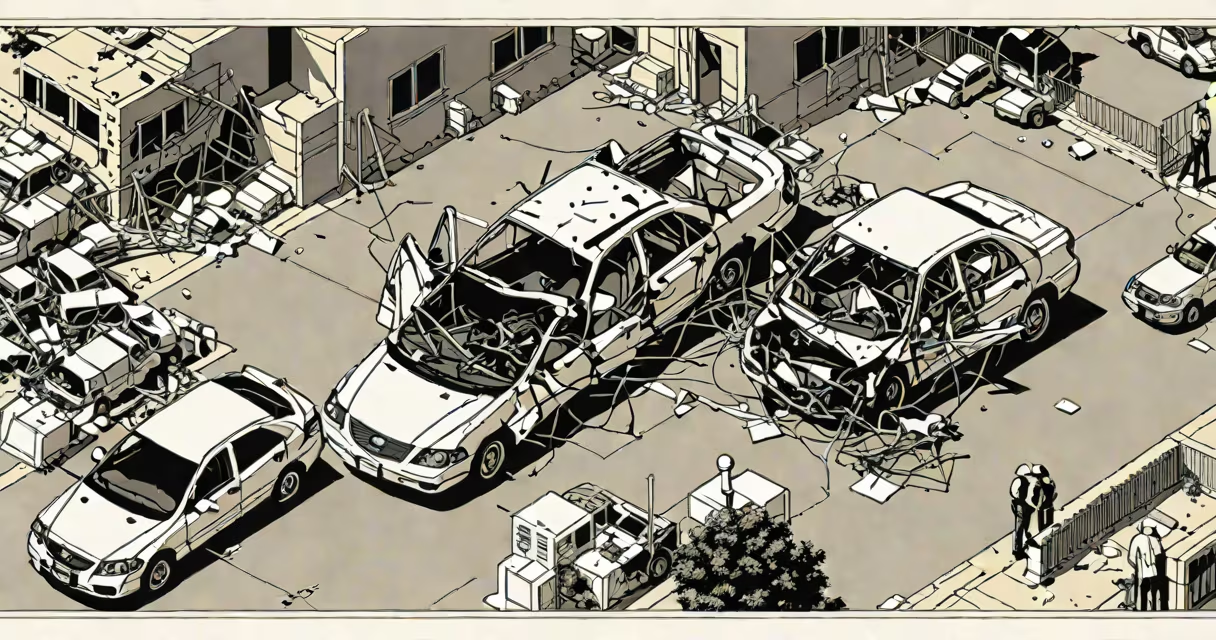
Anne Heche died on August 12, 2022, from complications of a severe brain injury sustained in a car accident on August 5. The injury caused widespread damage to her brainstem and cerebral cortex, leading to irreversible neurological damage.
The 52-year-old actress crashed her car into a home in Los Angeles on August 5, suffering significant head trauma. She was hospitalized in critical condition and placed in a medically induced coma. Doctors determined she had no chance of recovery, and she passed away seven days later.
Heche's car collided with a garage in the Mar Vista neighborhood of Los Angeles. Emergency responders found her trapped in the vehicle with burns and traumatic head injuries. She was extricated and rushed to the hospital, where she underwent multiple surgeries to relieve pressure on her brain.
Neurologists later explained that the force of the impact caused her brain to move violently within her skull, tearing blood vessels and damaging critical areas responsible for consciousness and bodily functions. This type of injury is often fatal, even with immediate medical intervention.
Many people assume that brain injuries only affect cognitive functions like memory or speech. However, damage to the brainstem-like Heche's-can disrupt basic life-sustaining functions such as breathing and heart rate. Unlike other organs, the brain cannot regenerate damaged tissue, making severe injuries irreversible.
Another misconception is that helmets or seatbelts always prevent fatal brain injuries. While they reduce risk, high-speed collisions can still cause lethal trauma. Heche was wearing a seatbelt during her crash, but the impact was severe enough to cause catastrophic damage.
Doctors confirmed that Heche's brain injuries were incompatible with life. The damage extended to areas controlling important functions, meaning her body could not regulate itself without mechanical assistance. Even if she had survived, she would have faced permanent disability, including loss of motor control and consciousness.
This case highlights the importance of immediate medical attention for head trauma victims. Delays in treatment can worsen outcomes, as swelling and bleeding compound existing damage. Heche received prompt care, but the severity of her injuries left no possibility of recovery.
I once interviewed a survivor of a similar car accident who described the moment of impact as "everything going black." Like Heche, they suffered brainstem damage but survived due to less severe trauma. Their recovery took years of rehabilitation, proving that even "minor" head injuries can have lifelong consequences.
Anne Heche's death underscores the fragility of the human brain and the devastating consequences of high-impact car accidents. Unlike other organs, the brain cannot repair itself after severe trauma, making prevention and immediate medical response critical. For more on how brain injuries can lead to fatal outcomes, see how dementia can contribute to death.