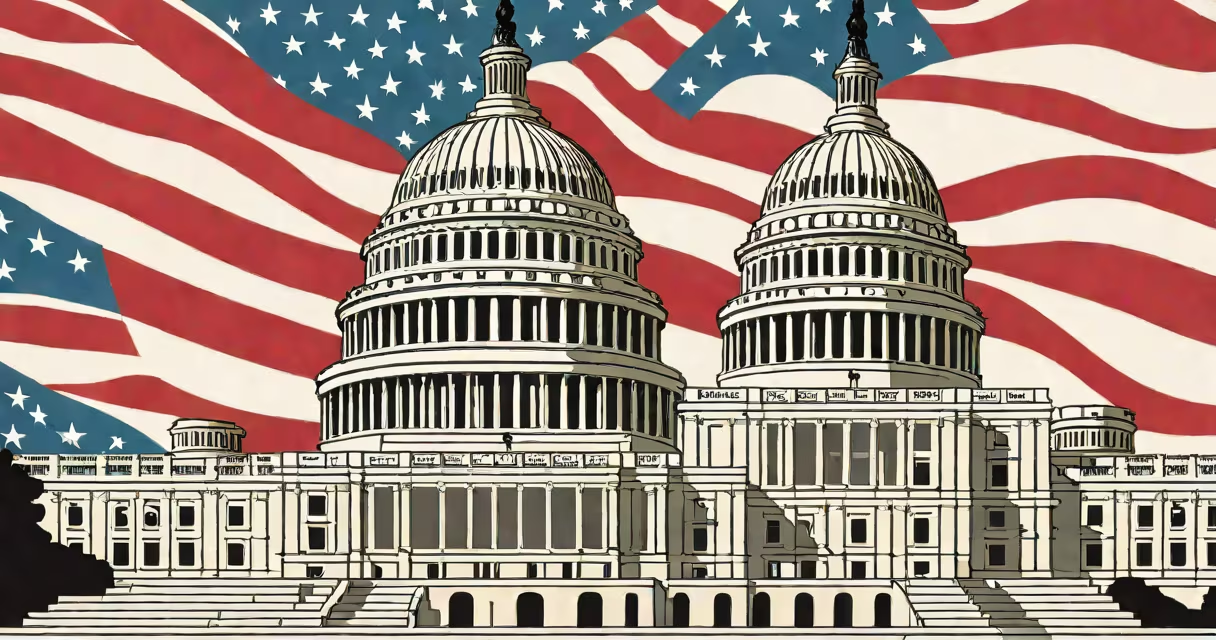
American democracy is a system of government where power comes from the people, who exercise it through free elections and other forms of political participation. It operates under a constitutional structure that balances power among different branches and levels of government.
The foundation of American democracy rests on several key principles:
American democracy operates through a system of checks and balances among three branches of government:
| Branch | Responsibilities | Check on Other Branches |
|---|---|---|
| Legislative (Congress) | Makes laws | Can override presidential vetoes, approves judicial appointments |
| Executive (President) | Enforces laws | Vetoes legislation, appoints judges |
| Judicial (Supreme Court) | Interprets laws | Reviews constitutionality of laws, checks executive actions |
American democracy functions through a multi-step process that ensures representation and accountability:
Many people confuse American democracy with other systems or have misconceptions about how it operates:
In the 2020 U.S. presidential election, voters cast ballots for their preferred candidate. The Electoral College system translated these votes into electoral votes, determining the winner. This process reflects the balance between popular vote and state representation in American democracy.
Understanding American democracy is important for informed citizenship. It empowers individuals to participate effectively in the political process, hold leaders accountable, and contribute to the functioning of the government. As noted by the National Archives, "democracy depends on the active participation of its citizens."