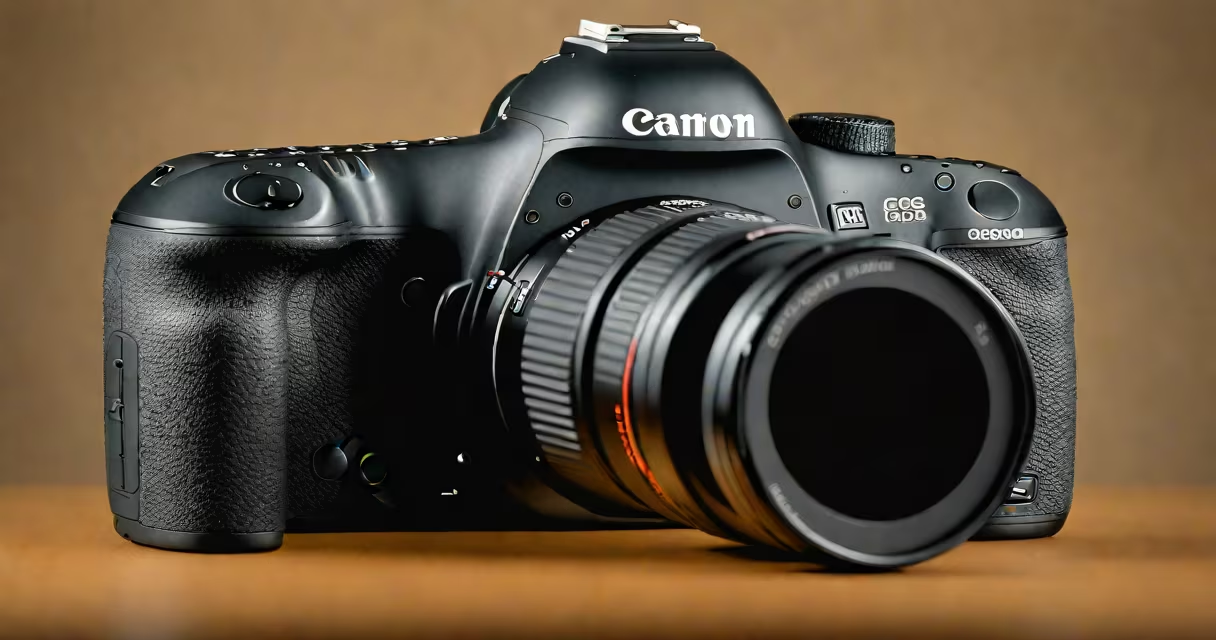
An appareil photo reflex (reflex camera) is a type of digital single-lens reflex (DSLR) camera that uses a mirror mechanism to direct light from the lens to either the optical viewfinder or the image sensor. These cameras offer interchangeable lenses and manual controls, making them popular among professional and enthusiast photographers.
Reflex cameras use a movable mirror that sits between the lens and the image sensor. When you look through the viewfinder, the mirror reflects light up into the prism and into your eye. When you press the shutter button, the mirror flips up, allowing light to pass through to the image sensor, which captures the photo. The mirror then returns to its original position for the next shot.
This mechanical process creates a slight delay between pressing the shutter button and the actual capture of the image, known as shutter lag. However, modern reflex cameras have minimized this lag to near-instantaneous speeds.
Reflex cameras come in several types, each with unique features:
| Type | Key Features | Common Uses |
|---|---|---|
| Digital Single-Lens Reflex (DSLR) | Interchangeable lenses, optical viewfinder, manual controls | Professional photography, portraiture, sports |
| Mirrorless Interchangeable-Lens Camera (MILC) | Electronic viewfinder, smaller size, faster autofocus | Travel photography, vlogging, street photography |
| Film SLR | Film-based, mechanical controls, vintage appeal | Film photography enthusiasts, artistic projects |
Reflex cameras are favored for their versatility and control. Professionals use them for weddings, portraits, and sports due to their ability to handle various lighting conditions and their quick lens-changing capabilities. Enthusiasts appreciate the tactile experience and customization options.
For example, a wildlife photographer might use a long telephoto lens on a reflex camera to capture distant subjects with sharp detail. The camera's manual controls allow adjustments for aperture, shutter speed, and ISO to achieve the desired effect.
One common misconception is that reflex cameras are outdated due to the rise of mirrorless cameras. While mirrorless cameras offer advantages like smaller size and faster autofocus, reflex cameras still hold their ground with superior battery life and a wider selection of lenses.
Another myth is that reflex cameras are too complex for beginners. While they offer advanced features, most models have automatic modes that simplify the process, making them accessible to users of all skill levels.
I remember my first experience with a reflex camera-a Canon EOS Rebel T3i. The ability to swap lenses and manually adjust settings opened up a new world of creative possibilities. It was a major change for my photography skills.
While mirrorless cameras are gaining popularity, reflex cameras continue to evolve. Manufacturers are integrating advanced technologies like improved autofocus systems and higher resolution sensors into their reflex models. This helps reflex cameras remain a viable option for photographers who prefer traditional design and functionality.
According to a report by the Camera and Imaging Products Association, DSLR cameras still hold a significant market share, particularly among professionals who value their reliability and performance. This indicates that reflex cameras will likely remain relevant for years to come.
For those interested in the history of reflex cameras, the evolution of the Durán Durán The Reflex band's name offers a fun parallel, though unrelated to photography. The band's name reflects a playful take on reflection and light, much like the optical principles behind reflex cameras.