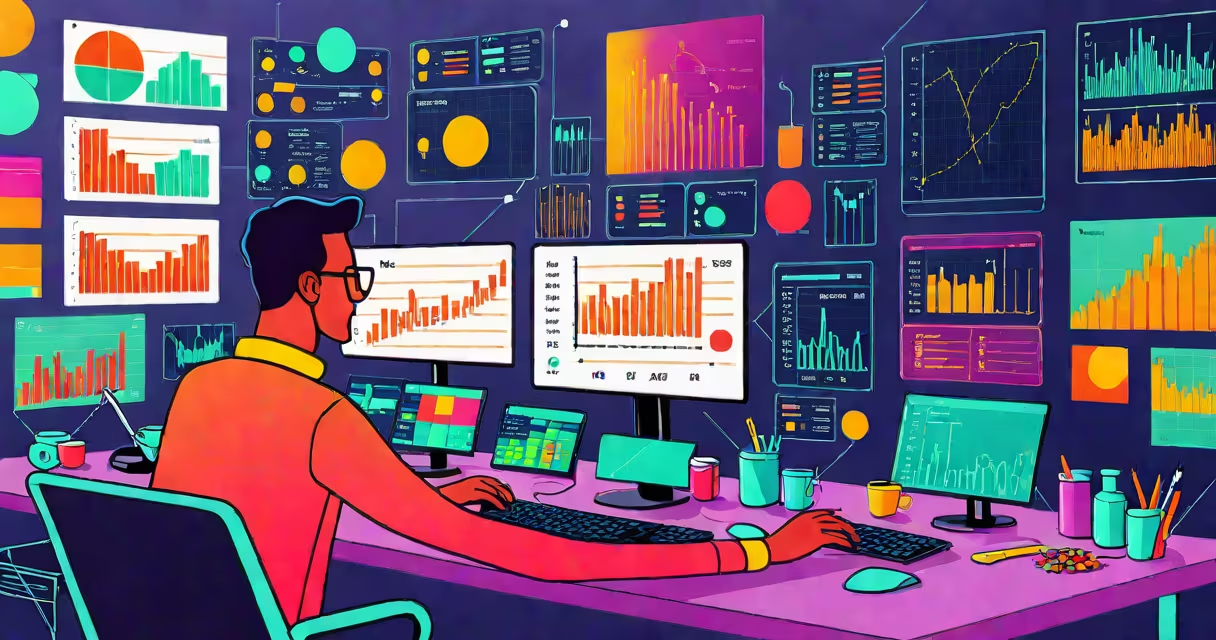
Applied data science uses statistical methods, machine learning, and programming to extract insights from data and solve real-world problems. Unlike theoretical data science, which focuses on developing new algorithms or models, applied data science prioritizes practical solutions.
Applied data science follows a structured process:
For example, a retail company might use applied data science to forecast demand, improve inventory, and personalize marketing campaigns. By analyzing past sales data, they can predict future trends and make informed decisions.
Applied data science encompasses various domains, each with unique techniques and tools:
| Type | Description | Example Applications |
|---|---|---|
| Predictive Analytics | Uses historical data to predict future outcomes. | Sales forecasting, customer churn prediction |
| Prescriptive Analytics | Recommends actions to achieve desired outcomes. | Supply chain optimization, personalized medicine |
| Descriptive Analytics | Summarizes historical data to describe past events. | Market trend analysis, financial reporting |
| Diagnostic Analytics | Identifies reasons behind past events. | Root cause analysis, fraud detection |
According to the McKinsey Global Institute, companies that use applied data science are 23 times more likely to acquire customers, six times as likely to retain customers, and five times as likely to be in the top quartile of their industry.
Applied data science is used across industries to drive efficiency, innovation, and profitability. In healthcare, it helps diagnose diseases, personalize treatments, and manage patient data. In finance, it detects fraud, assesses risk, and optimizes investments. Retailers use it for inventory management, customer segmentation, and changing pricing.
One common misconception is that applied data science is only for large corporations. Small businesses also benefit from it. For instance, a local coffee shop might use applied data science to analyze customer purchase patterns and adjust its menu or promotions accordingly.
Many people confuse applied data science with theoretical data science. While theoretical data science focuses on developing new algorithms and models, applied data science emphasizes practical applications. Another misconception is that applied data science requires advanced degrees. In reality, many professionals learn through online courses and hands-on experience.
I once worked on a project where we used applied data science to improve customer satisfaction for an e-commerce platform. By analyzing customer feedback and purchase history, we identified key pain points and implemented changes that increased customer retention by 15%. This practical application demonstrated the power of applied data science in driving real-world results.
To start with applied data science, learn programming languages like Python or R, understand statistical concepts, and gain hands-on experience with real-world datasets. Online platforms like Coursera and edX offer courses on applied data science., practicing with open-source datasets and participating in Kaggle competitions can build practical skills.