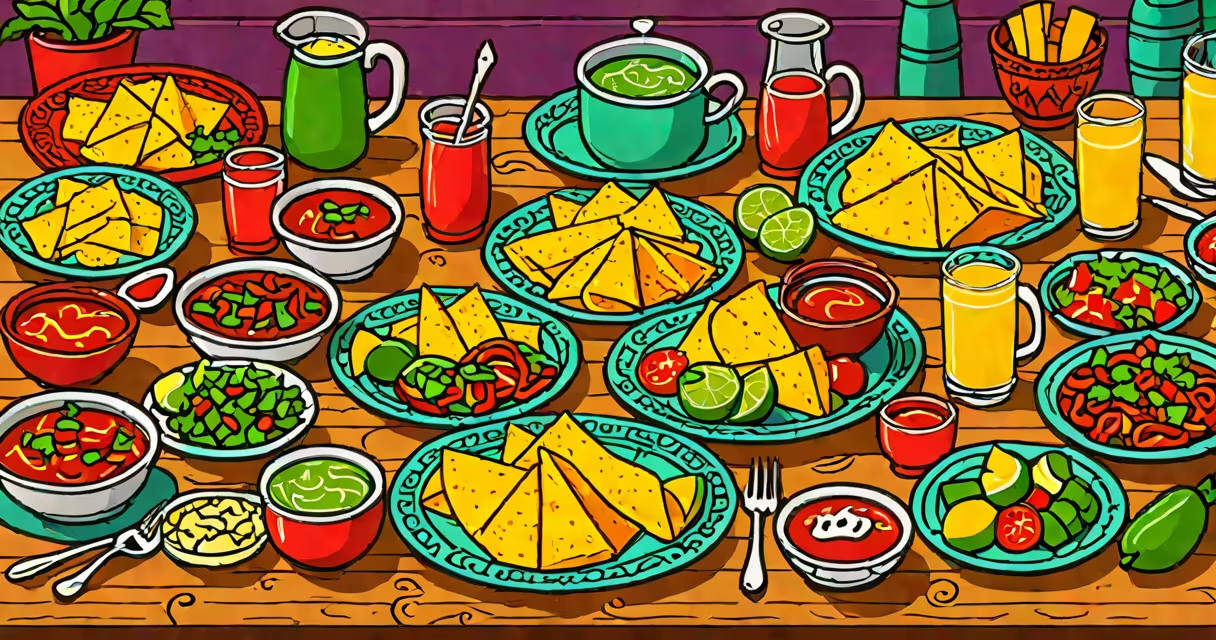
Aztec Mexican restaurant serves traditional dishes inspired by the culinary traditions of the Aztec civilization, blending pre-Hispanic ingredients with Spanish influences. These establishments emphasize authentic flavors, historical recipes, and cultural presentation.
The Aztec empire (1428-1521 CE) developed sophisticated agriculture and cuisine, cultivating maize, beans, squash, and chili peppers. Spanish colonization introduced new ingredients like pork, beef, and dairy, creating Mexico's modern fusion cuisine. Today's Aztec Mexican restaurants reinterpret these historical flavors using contemporary techniques.
Most Aztec Mexican restaurants feature these staples:
Many dishes incorporate native ingredients like epazote, hoja santa, and huitlacoche (corn smut).
Aztec Mexican restaurants often incorporate historical elements into their decor, such as murals depicting Aztec markets or replicas of ancient cooking tools. Some serve drinks in gourds or clay pots, echoing pre-Hispanic practices. Live Mariachi music may accompany dining, though this is more common in los mariachis mexican restaurant than strictly Aztec-themed venues.
Contrary to popular belief, not all Aztec Mexican restaurants serve "Aztec hot chocolate" as a standard offering. This drink-made with water, cacao, and chili-was reserved for Aztec nobility and religious ceremonies. Most modern versions use milk and sugar, adapting the concept for contemporary palates.
Another misconception is that all dishes are spicy. While chili peppers were central to Aztec cuisine, many traditional recipes balance heat with sweetness or earthiness, such as mole poblano's combination of chocolate and ancho chili.
Some Aztec Mexican restaurants experiment with contemporary twists, such as fusion tacos combining traditional fillings with new toppings. For example, one Los Angeles restaurant serves tlacoyos with foie gras and truffle oil, updating the ancient recipe for modern diners.
When visiting an Aztec Mexican restaurant, look for dishes labeled "prehispánico" or "ancestral" to identify the most historically accurate options. These often feature ingredients like insect larvae, wild greens, or game meats rarely seen in typical Mexican restaurants.