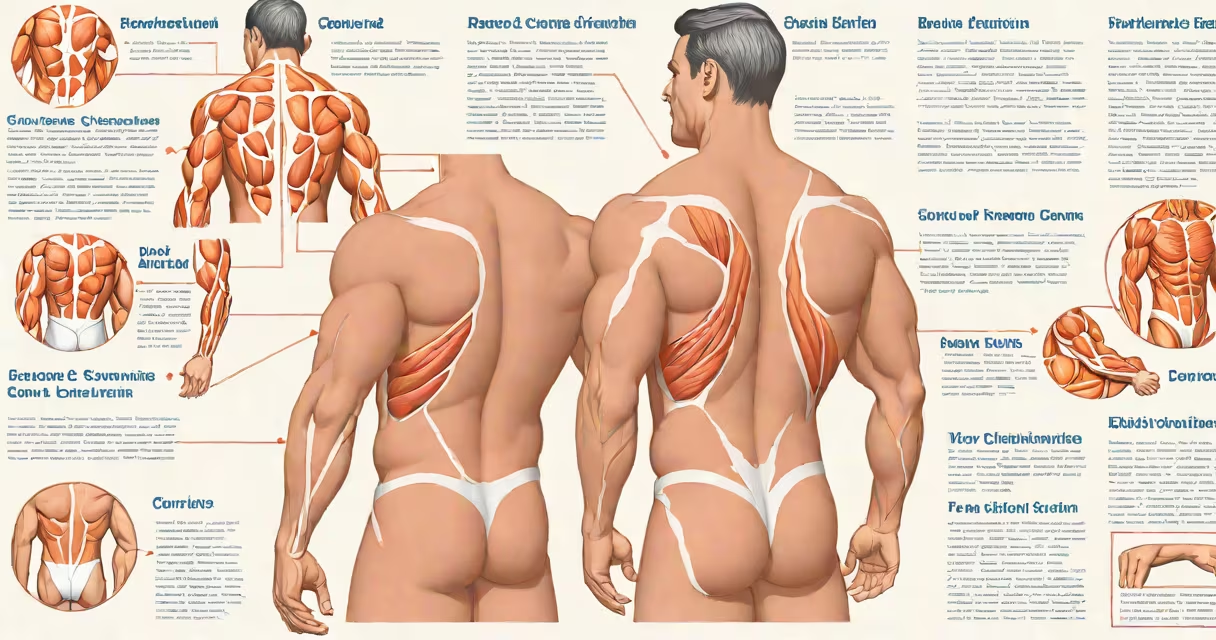
Back strain means damage to muscles or tendons in your back, typically from overuse or sudden injury. This common condition causes pain, stiffness, and limited movement.
Back strains occur when muscle fibers or tendons tear. Acute strains happen suddenly-lifting a heavy object incorrectly, for example. Chronic strains develop over time from repetitive motions or poor posture.
The lumbar spine (lower back) is most frequently affected because it bears most of your body's weight and absorbs pressure during movement. The erector spinae muscles along your spine are particularly vulnerable.
| Type | Location | Common Causes |
|---|---|---|
| Muscle strain | Lower back | Lifting heavy objects, sudden twisting |
| Tendon strain | Middle/upper back | Repetitive overhead motions |
| Lumbar sprain | Lower back | Overstretching ligaments |
While pain is the primary symptom of back strain, other indicators include:
Most back strains heal within 4-6 weeks with rest, ice, and gentle stretching. Physical therapy can strengthen supporting muscles. To prevent strains:
I once experienced a back strain after moving furniture without warming up first. The sharp pain when bending lasted three days, but targeted stretches and ibuprofen helped recovery.
Consult a doctor if:
Imaging tests like MRIs can distinguish between muscle strains and more serious spinal injuries.
While back strain is common, understanding its causes and prevention strategies can help maintain spinal health. For related conditions, consider learning about having a backup plan for physical activities to avoid overexertion.