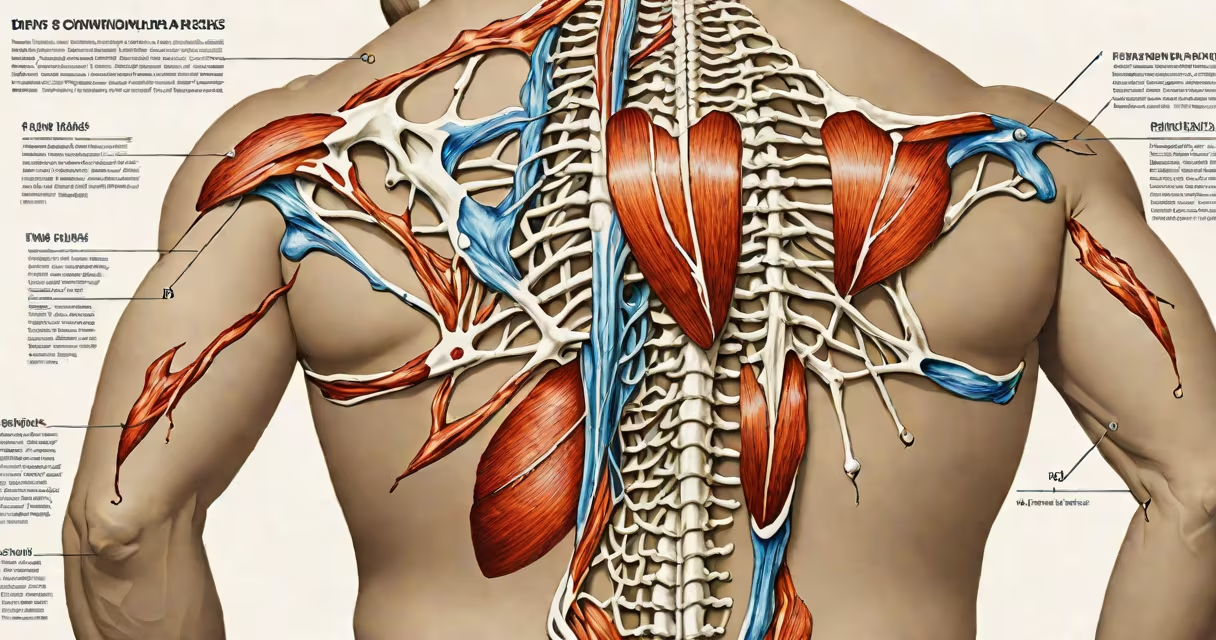
Back traps pain refers to discomfort in the trapezius muscles, typically felt as sharp muscle knots between the shoulder blades. This area connects your neck, shoulders, and upper back, making it prone to tension and strain.
The trapezius (traps) consists of three parts: upper, middle, and lower. The upper traps improve the shoulders, the middle traps retract the scapula, and the lower traps depress the scapula. Overuse or poor posture strains these muscles, leading to pain.
Common triggers include prolonged sitting, poor ergonomics, stress, and repetitive movements. For example, desk workers often develop upper back pain from slouching at computers. A study by the Journal of Manipulative and Physiological Therapeutics found that 54% of office workers reported upper back pain.
| Cause | Description |
|---|---|
| Poor Posture | Slouching rounds the shoulders, overstretching the trapezius. |
| Muscle Imbalance | Weak upper back muscles combined with tight chest muscles pull the shoulders forward. |
| Stress | Tension causes involuntary muscle contractions, particularly in the upper traps. |
Heat therapy relaxes tense muscles, while massage targets trigger points. Proper ergonomics-like adjusting chair height and monitor position-prevents strain. Staying hydrated and maintaining a balanced diet supports muscle health.
If back traps pain persists beyond two weeks or worsens, consult a healthcare provider. Chronic pain may indicate underlying conditions like thoracic outlet syndrome or herniated discs. A physical therapist can design a tailored treatment plan.
I once worked with a client who experienced constant upper back pain from long hours coding. After adjusting their workspace and incorporating daily stretches, their discomfort improved within three weeks. Small changes make a big difference.