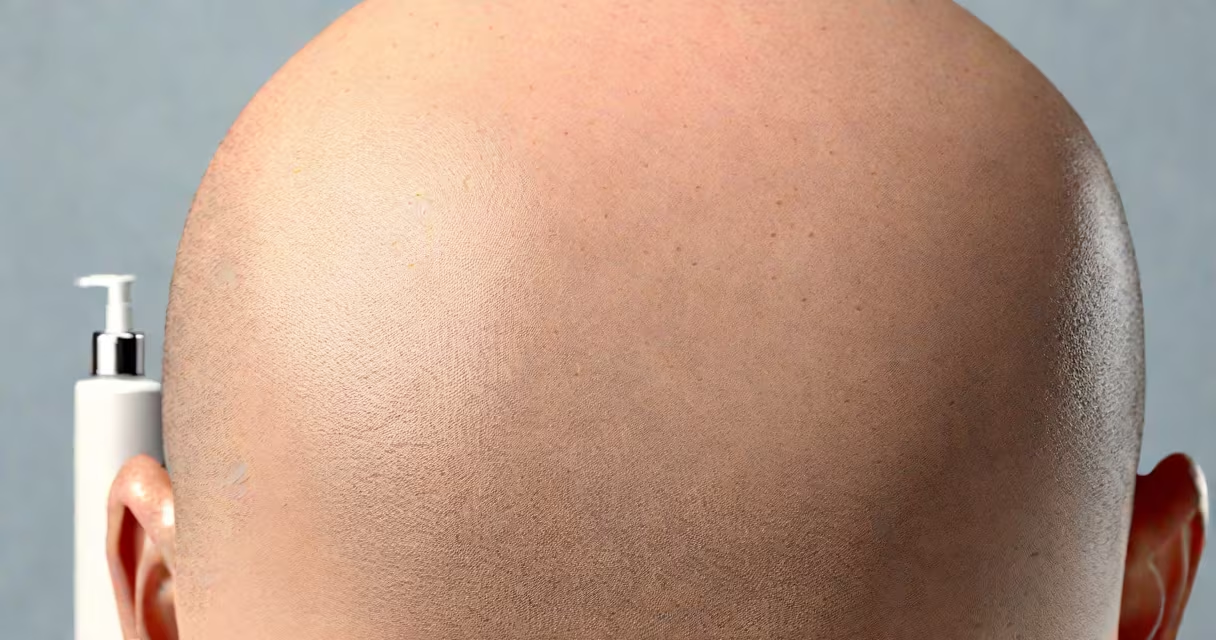
A bald spot on your head can be treated with medical solutions, lifestyle changes, and natural remedies. Effective treatments include medications like minoxidil and finasteride, laser therapy, and surgical options such as hair transplants.
Bald spots form due to hair follicle damage, hormonal changes, or genetic factors. The most common cause is androgenetic alopecia, which affects both men and women. Other causes include stress, poor nutrition, and certain medical conditions.
| Type | Cause | Common Treatment |
|---|---|---|
| Androgenetic Alopecia | Genetics and hormones | Minoxidil, finasteride |
| Alopecia Areata | Autoimmune disorder | Corticosteroids, immunotherapy |
| Telogen Effluvium | Stress, illness, poor nutrition | Address underlying cause, improve diet |
Topical treatments like minoxidil (Rogaine) can stimulate hair growth by increasing blood flow to the scalp. Finasteride (Propecia) blocks hormones that shrink hair follicles. Low-level laser therapy (LLLT) uses light to encourage hair growth.
For severe cases, hair transplants move healthy hair follicles to bald areas. Platelet-rich plasma (PRP) therapy injects concentrated platelets into the scalp to promote healing and growth.
Diet is important for scalp health. Foods rich in iron, zinc, and vitamins A, C, D, and E support hair growth. Scalp massages improve circulation, and essential oils like rosemary and peppermint may stimulate follicles.
Managing stress through exercise, meditation, and adequate sleep can prevent stress-related hair loss. Avoiding tight hairstyles and harsh chemicals also helps maintain scalp health.
I've seen firsthand how lifestyle changes can make a difference. A friend who suffered from stress-induced hair loss noticed significant improvement after adjusting their diet and managing stress levels effectively.
If a bald spot appears suddenly or grows rapidly, consult a healthcare provider. Persistent hair loss may indicate an underlying condition requiring medical attention. Dermatologists can recommend personalized treatments based on the cause of hair loss.