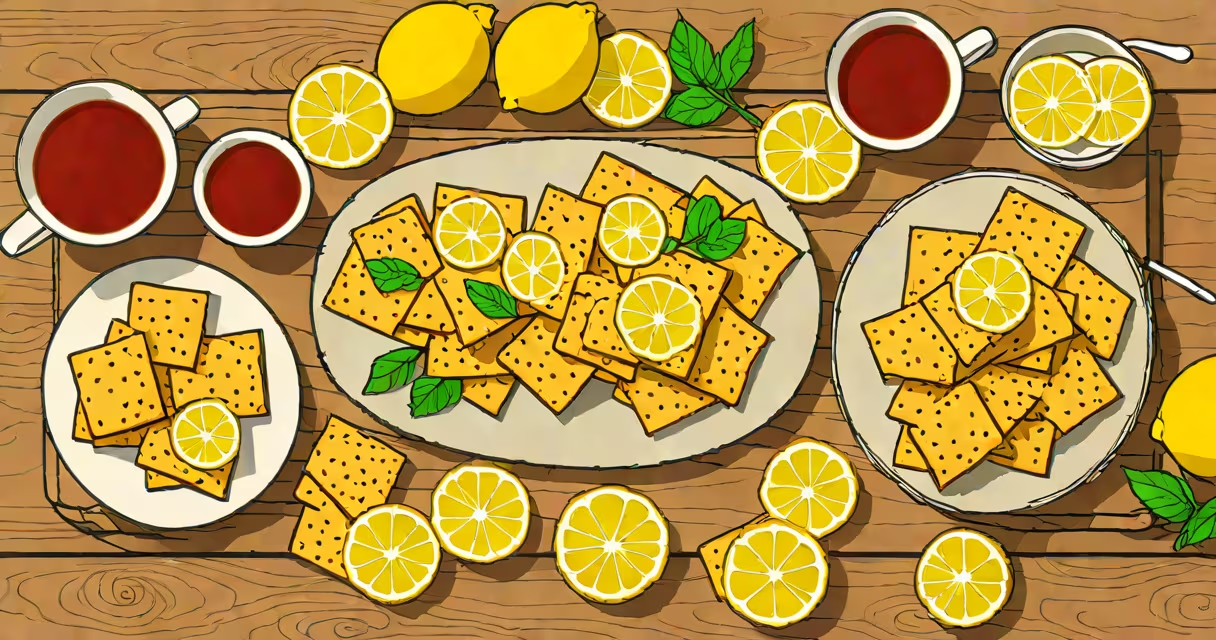
The best foods to eat when nauseous and pregnant are bland, easy-to-digest options that settle the stomach while providing important nutrients. These typically include crackers, ginger-based foods, and lean proteins.
During pregnancy, hormonal changes slow digestion and increase sensitivity to smells and tastes. The hormone human chorionic gonadotropin (hCG) peaks around the same time as morning sickness, suggesting a link between the two (American Pregnancy Association). Blood sugar fluctuations and heightened sense of smell also contribute to nausea.
Effective foods share key traits: low fat, low fiber, and minimal acidity. They often contain compounds like gingerol (from ginger) that reduce nausea. Here's how they work:
| Food Type | Examples | Key Benefits |
|---|---|---|
| Carbohydrates | Plain crackers, dry toast, rice cakes | Absorb stomach acid, easy to digest |
| Ginger-containing foods | Ginger tea, ginger ale (non-alcoholic), ginger chews | Natural anti-nausea properties |
| Lean proteins | Boiled chicken, scrambled eggs, tofu | Stabilize blood sugar, provide energy |
| Hydrating foods | Watermelon, coconut water, electrolyte drinks | Prevent dehydration from vomiting |
Timing matters as much as food choice. Eat small portions every 2-3 hours to maintain steady blood sugar. Have a carbohydrate-rich snack like crackers before getting out of bed to prevent morning nausea. Sip fluids separately stomach distension.
I kept ginger chews and saltine crackers in my purse during my first trimester. Eating a few ginger chews before entering crowded or fragrant spaces helped me avoid sudden waves of nausea.
Many assume spicy or greasy foods worsen nausea, but individual tolerances vary. Some women find small amounts of spice distract from nausea, while others avoid them entirely. The key is identifying personal triggers through gradual reintroduction of foods.
Another myth is that eating large meals helps nausea. In reality, large meals can overstretch the stomach and increase discomfort. Smaller, frequent meals are more effective.
Combine these elements for a balanced anti-nausea meal:
While focusing on nausea relief, ensure your diet includes essential nutrients. Iron-rich foods like lean beef and spinach support fetal development, while calcium from dairy products strengthens bones. Pair these with easily digestible carbohydrates to minimize discomfort.