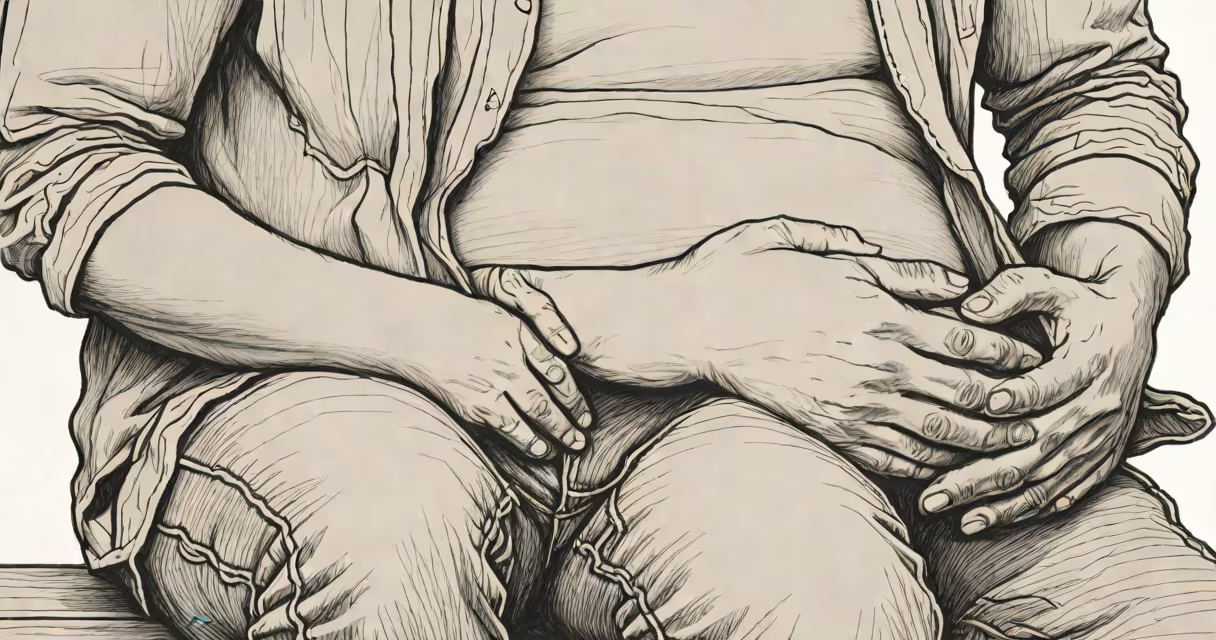
The best way to alleviate gas pain combines immediate relief techniques with long-term prevention strategies. Gas pain occurs when gas builds up in your digestive tract, causing discomfort or sharp pain. The most effective solutions address both symptoms and root causes.
Gas pain happens when gas gets trapped in your intestines, stretching the walls of your digestive tract. This can cause cramping, bloating, and sharp pain. The pain often feels worse when lying down because gas rises to the top of your intestines, putting pressure on nearby nerves.
Common causes include swallowing air while eating, drinking carbonated beverages, or eating high-fiber foods. Certain medical conditions, like irritable bowel syndrome (IBS) or lactose intolerance, can also contribute to excessive gas production.
To quickly alleviate gas pain, try these methods:
For example, walking for 10 minutes after a meal can reduce gas buildup. I've noticed this firsthand after large holiday meals-taking a short walk helps me avoid discomfort later.
To prevent gas pain, focus on dietary changes and healthy habits:
If gas pain is frequent, severe, or accompanied by other symptoms like diarrhea, constipation, or unexplained weight loss, consult a healthcare provider. These could indicate underlying conditions like IBS, celiac disease, or a food allergy.
Many people believe that gas pain is always caused by eating certain foods. While diet plays a role, swallowing air and digestive disorders are equally important factors. Another myth is that gas pain only affects the stomach-it can occur anywhere along the digestive tract, including the colon.