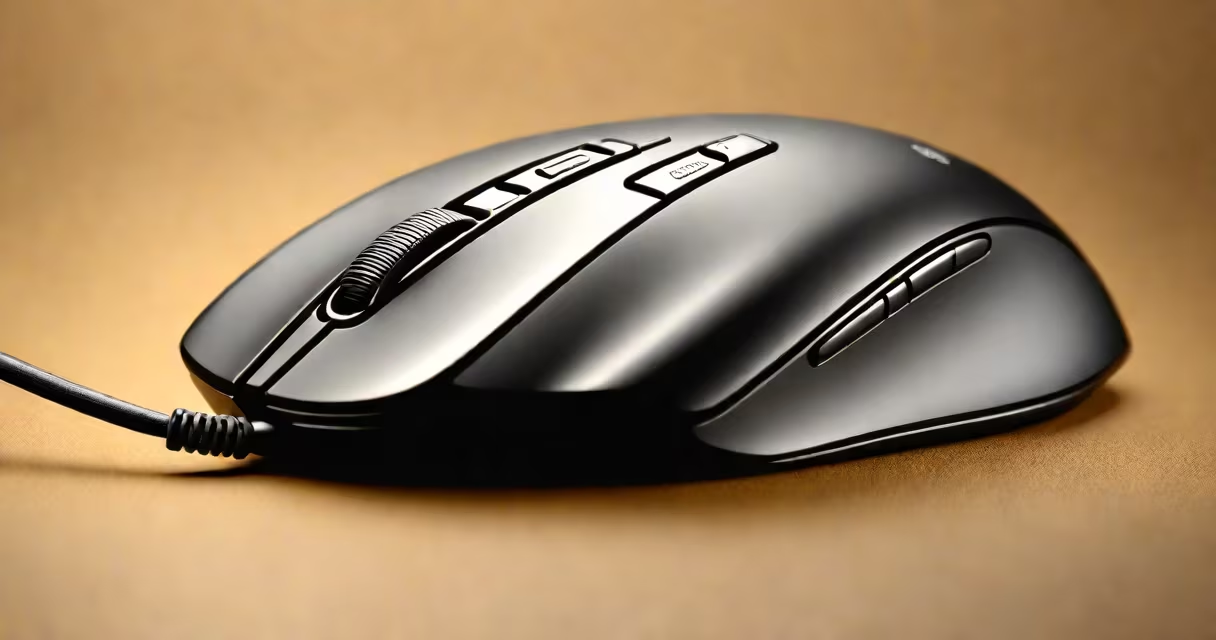
A wired ergonomic mouse is a computer input device designed to reduce strain by supporting a natural hand and wrist position, typically featuring a vertical orientation or angled design. These mice connect via USB cable for consistent performance and are ideal for users experiencing discomfort from traditional flat mice.
Ergonomic mice alter the standard horizontal grip by positioning the hand in a "handshake" posture, which aligns the forearm and wrist more naturally. This reduces pronation-the inward rotation of the forearm-and minimizes strain on the median nerve, which can cause carpal tunnel syndrome. Many models also include adjustable buttons and customizable DPI settings to further reduce fatigue during prolonged use.
The most common types of wired ergonomic mice include:
| Type | Key Features | Best For |
|---|---|---|
| Vertical Mouse | Upright design, thumb rest | Users with severe wrist pain |
| Trackball Mouse | Stationary ball, minimal arm movement | Limited desk space, one-handed use |
| Angled Mouse | Tilted at 10-15 degrees | Mild wrist discomfort |
Most wired ergonomic mice also feature adjustable DPI settings, allowing users to switch between precise cursor control for tasks like graphic design and faster movement for general navigation. Some models include additional buttons for productivity shortcuts, such as copying, pasting, or switching between applications.
According to the National Institute for Occupational Safety and Health (NIOSH), repetitive motions like using a standard mouse can contribute to musculoskeletal disorders (MSDs), affecting muscles, nerves, and tendons. Ergonomic mice mitigate this risk by promoting neutral wrist positions and reducing excessive finger movement. A study published in the Journal of Physical Therapy Science found that vertical mice reduced muscle activity in the forearm compared to conventional mice.
When selecting the best wired ergonomic mouse, consider the following factors:
After developing mild wrist discomfort from years of using a standard mouse, I switched to a vertical wired ergonomic mouse. The adjustment period was shorter than expected-about three days-and the reduction in strain was noticeable within a week. The added thumb buttons also improved productivity by allowing quick access to frequently used functions.