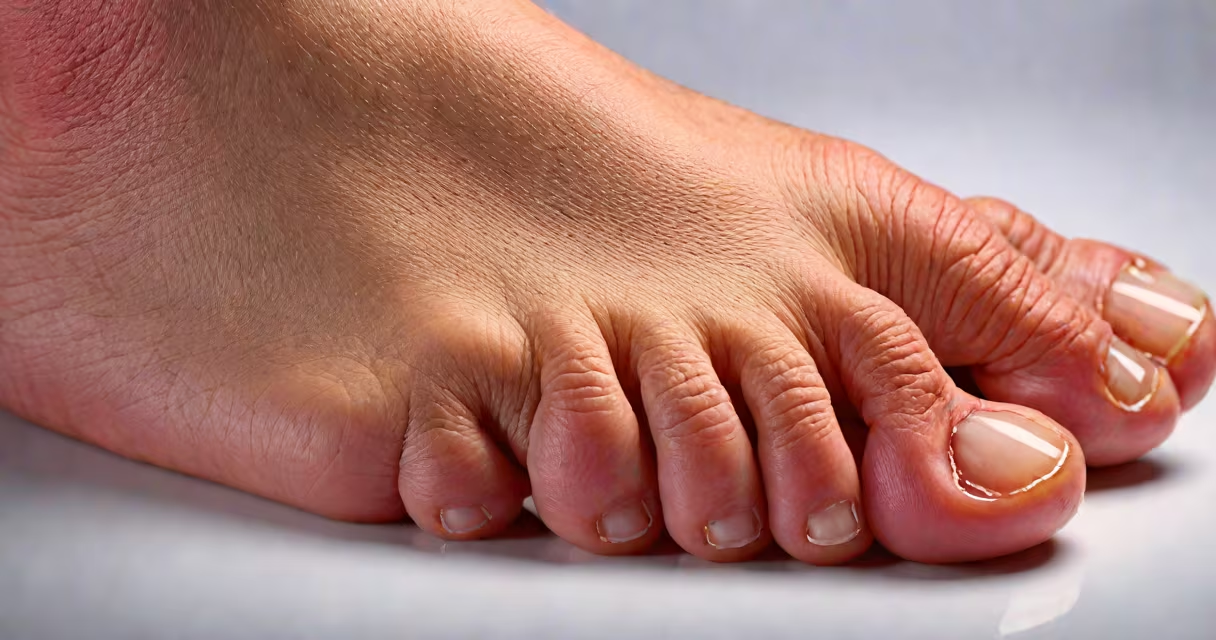
A bite on foot swelling happens when an insect or animal bite causes localized inflammation, often due to an allergic reaction or infection. This swelling typically occurs within minutes to hours after the bite.
When an insect or animal bites your foot, it introduces saliva, venom, or bacteria into the skin. Your immune system responds by releasing histamines, which cause blood vessels to dilate and leak fluid, leading to swelling. In severe cases, an allergic reaction called anaphylaxis can occur, requiring immediate medical attention.
The most common culprits include:
Swelling from a bite on the foot is common because feet are often exposed and can be bitten while walking barefoot or in sandals. The swelling helps isolate and protect the affected area while your body fights off potential infections or toxins.
Many people assume that all bite-related swelling is harmless. However, severe swelling, especially if accompanied by fever, red streaks, or pus, indicates an infection that requires medical treatment. Another misconception is that ice alone can treat swelling caused by an allergic reaction; in reality, antihistamines or epinephrine may be necessary for severe reactions.
For example, if you're bitten by a bee and your foot swells, applying ice can help reduce swelling, but taking an antihistamine like Benadryl can also alleviate symptoms. If the swelling persists or worsens, seeking medical attention is important.
Seek immediate medical attention if:
In such cases, visiting an emergency room or urgent care facility is essential. For recurring or unexplained swelling, consult a healthcare provider to rule out underlying conditions like venous insufficiency or lymphedema.
Bite on foot swelling is a common reaction to insect or animal bites, usually caused by an immune response to the bite. Understanding the causes, recognizing severe reactions, and knowing when to seek medical help can prevent complications and ensure proper treatment.