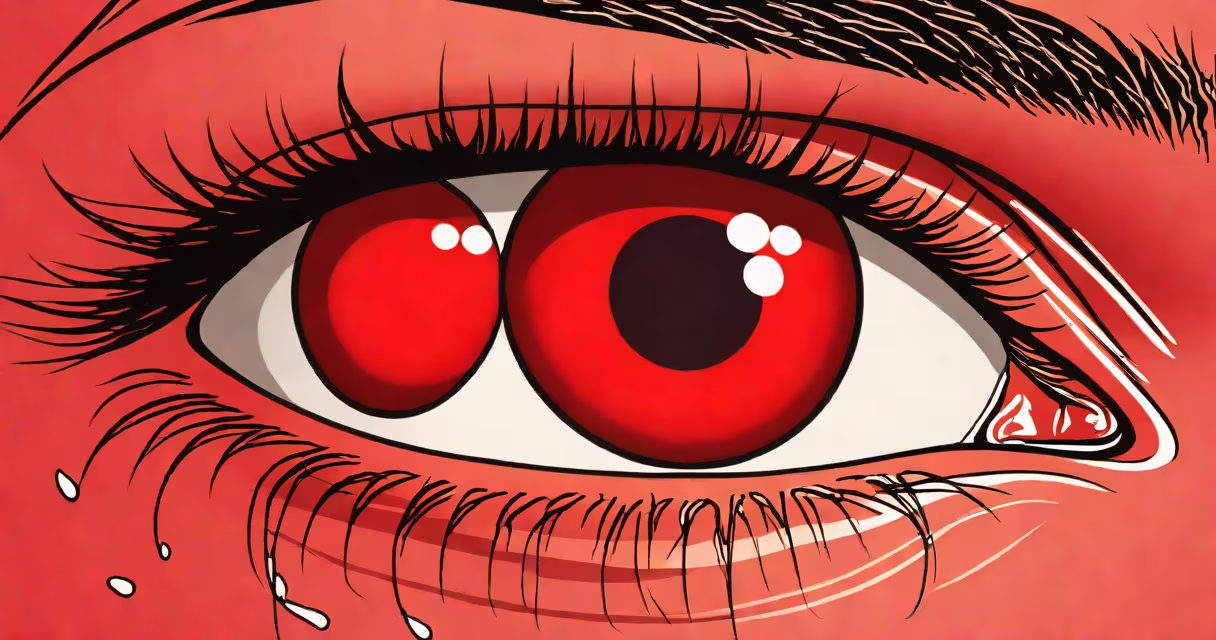
Bleeding in your eye occurs when tiny blood vessels break and leak blood into the eye's clear outer layer, white part, or internal structures. Most cases are harmless, but some require immediate medical attention.
Your eyes contain many small blood vessels. When one of these breaks, blood leaks into the eye. This can happen due to injury, high blood pressure, or other health conditions. The blood may appear as a bright red spot or spread across the white part of the eye.
Eye bleeding can occur in different parts of the eye. Here are the most common types:
| Type | Location | Appearance |
|---|---|---|
| Subconjunctival hemorrhage | Conjunctiva (outermost layer) | Bright red spot on the white part of the eye |
| Vitreous hemorrhage | Vitreous humor (gel-like substance inside the eye) | Floaters, blurred vision, or dark spots |
| Retinal bleeding | Retina (light-sensitive layer at the back of the eye) | Blurred or distorted vision |
Bleeding in your eye can result from various factors, including:
Most cases of eye bleeding are harmless and resolve on their own. However, see a doctor immediately if you experience:
Many people confuse eye bleeding with other conditions, such as rectal bleeding. Unlike rectal bleeding, which is often associated with digestive issues, eye bleeding is typically related to eye health or systemic conditions like diabetes or high blood pressure.
Another common myth is that rubbing your eyes can cause bleeding. While rubbing can irritate the eyes, it rarely leads to significant bleeding unless you have an underlying condition.
Last year, I noticed a bright red spot on the white part of my eye after waking up. It looked alarming, but I recalled that subconjunctival hemorrhages are usually harmless. The spot faded within a week without any treatment. However, if the bleeding had been accompanied by pain or vision changes, I would have sought medical advice immediately.