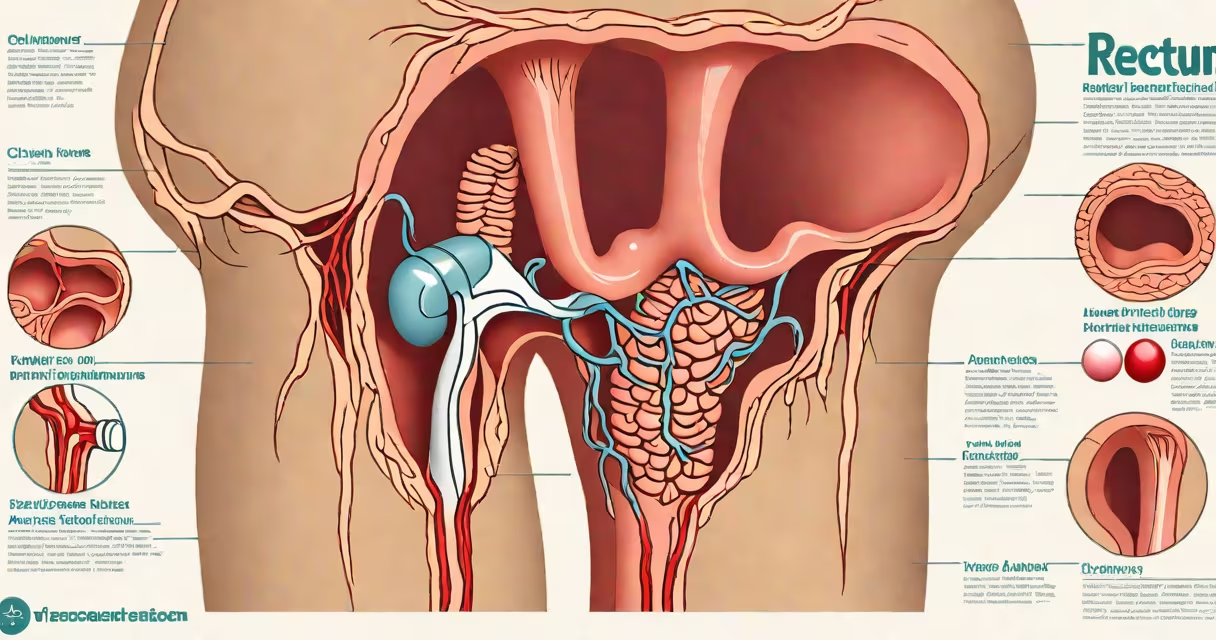
Bleeding out your bum refers to rectal bleeding, which occurs when blood passes from the rectum through the anus. This condition can result from various causes, ranging.
Rectal bleeding occurs when blood vessels in the rectum or anus are damaged. The rectum is the final section of the large intestine, and the anus is the opening at the end of the digestive tract. Blood can appear bright red or dark, depending on its origin along the digestive tract.
| Type | Description | Common Causes |
|---|---|---|
| Bright Red Blood | Blood that appears fresh and bright red, often seen on toilet paper or in the toilet bowl. | Hemorrhoids, anal fissures, or minor injuries to the anus. |
| Dark Red or Black Blood | Blood that appears darker, sometimes mixed with stool, indicating it has been in the digestive tract longer. | Diverticulosis, angiodysplasia, or upper gastrointestinal bleeding. |
Several conditions can cause bleeding out your bum. Hemorrhoids are swollen veins in the rectum or anus, often leading to bright red blood on toilet paper. Anal fissures are small tears in the anus, typically causing pain and bleeding during bowel movements. Other causes include diverticulosis, inflammatory bowel disease, and infections.
While minor rectal bleeding may not require medical attention, persistent or heavy bleeding should be evaluated by a healthcare professional. Seek immediate medical care if you experience severe pain, dizziness, or signs of shock. A doctor can diagnose the underlying cause through a physical examination, endoscopic procedures, or imaging tests.
Treatment for rectal bleeding depends on the underlying cause. For hemorrhoids, over-the-counter creams, increased fiber intake, and warm baths can help. Anal fissures may require topical nitroglycerin ointments or botox injections. In more severe cases, surgical interventions like hemorrhoidectomy or ligation may be necessary.
To reduce the risk of rectal bleeding, maintain a high-fiber diet to prevent constipation and straining. Stay hydrated, exercise regularly, and avoid prolonged sitting on the toilet. If you experience chronic constipation or diarrhea, consult a healthcare provider for appropriate management strategies.