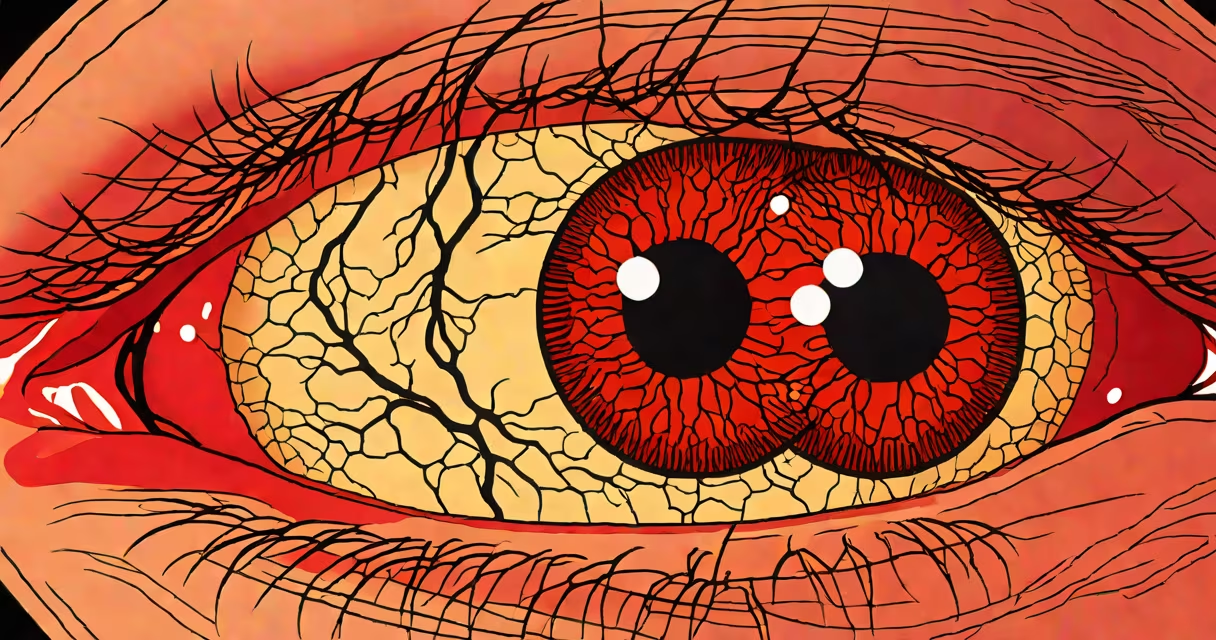
A blocked blood vessel in eye occurs when a clot or plaque interrupts blood flow to the retina, causing sudden vision loss. This condition, called retinal vascular occlusion, requires immediate medical attention.
The retina needs constant blood flow to function. When a blood vessel becomes blocked, oxygen and nutrients can't reach retinal cells, leading to ischemia (tissue death). The longer treatment is delayed, the greater the risk of permanent vision loss.
There are two primary types of retinal vascular occlusions:
| Type | Cause | Effect |
|---|---|---|
| Retinal Artery Occlusion (RAO) | Clot or plaque from carotid artery or heart | Sudden, painless vision loss in one eye |
| Retinal Vein Occlusion (RVO) | Blood clot in retinal vein | Blurred vision, often in one eye |
RAO affects about 1 in 10,000 people annually, while RVO is more common, particularly in those over 60.
Blocked blood vessels in eyes most commonly result from atherosclerosis, diabetes, or high blood pressure. Other risk factors include glaucoma, blood clotting disorders, and inflammatory conditions like vasculitis.
In one study, 90% of RAO cases were linked to carotid artery disease or cardiac embolism. Diabetes increases RVO risk by 2-4 times.
Symptoms depend on which blood vessel is blocked. RAO causes sudden, painless blindness in one eye, often described as a "curtain falling" over vision. RVO typically results in gradual, painless vision loss, with blurry or distorted central vision.
Unlike a busted blood vessel in your eye, which causes redness, retinal vascular occlusions don't turn the eye red. The affected eye may appear completely normal.
RAO requires emergency treatment to restore blood flow. Doctors may use medications to dissolve clots or surgery to remove blockages. RVO treatment focuses on managing complications like swelling or new blood vessel growth.
Intravitreal injections of anti-VEGF drugs help reduce swelling and prevent abnormal blood vessel growth. Laser therapy may also be used to seal leaking blood vessels.
Controlling underlying conditions like diabetes, high blood pressure, and high cholesterol reduces the risk. Regular eye exams are important, especially for those over 60 or with known risk factors.
Lifestyle changes-such as exercising regularly, eating a balanced diet, and avoiding smoking-can also lower the risk of retinal vascular occlusions.