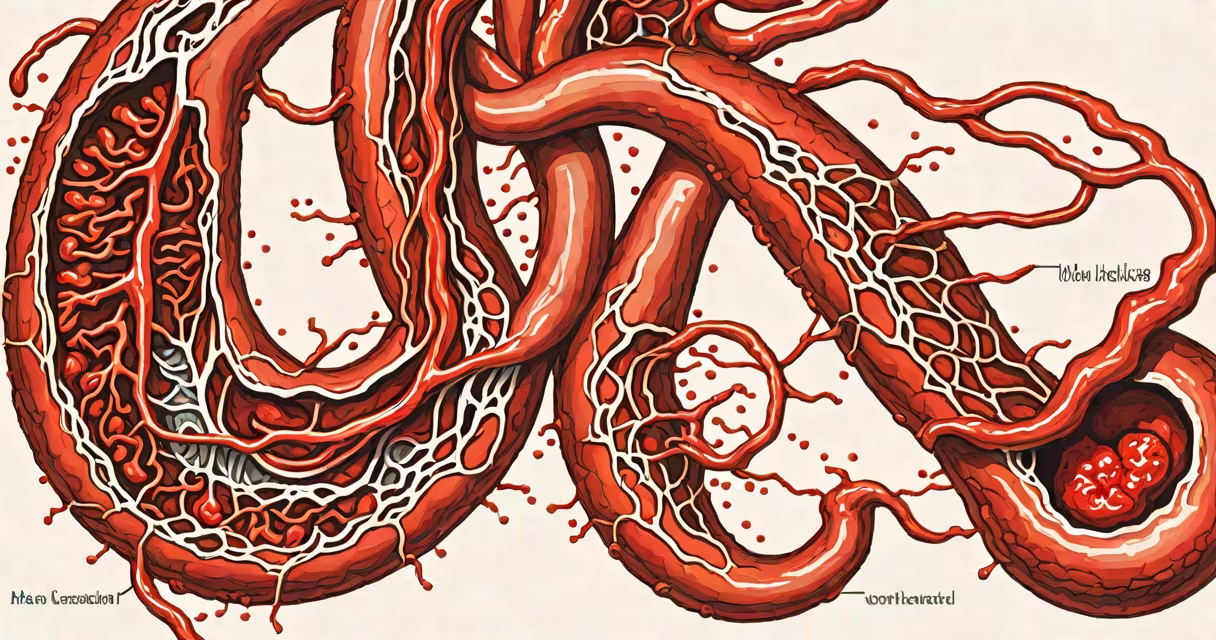
A blood clot in the intestines is a blockage in the arteries supplying blood to the small or large intestine, typically caused by conditions like atherosclerosis or hypercoagulability. This obstruction can lead to tissue death due to lack of oxygen, creating a medical emergency.
The intestines rely on mesenteric arteries for blood flow. When a clot forms in these vessels, it restricts oxygen-rich blood from reaching intestinal tissue. Without prompt treatment, this can result in bowel infarction-a condition where intestinal tissue dies due to lack of blood supply.
Blood clots in the intestines often stem from:
Symptoms often appear suddenly and may include:
If you experience these symptoms, seek medical attention immediately. According to the American Society of Hematology, prompt diagnosis and treatment are critical to preventing complications.
Doctors diagnose blood clots in the intestines using imaging tests like CT scans or angiography. Treatment options include:
According to the National Institute of Diabetes and Digestive and Kidney Diseases, early intervention improves outcomes.
To reduce the risk of blood clots in the intestines, manage underlying conditions like high cholesterol, diabetes, and hypertension. Stay hydrated, exercise regularly, and follow your doctor's advice regarding anticoagulant medications if you have a history of clotting disorders.
If you suspect you have a blood clot in your intestines, do not wait-seek emergency medical care immediately. Early diagnosis and treatment can save your life.