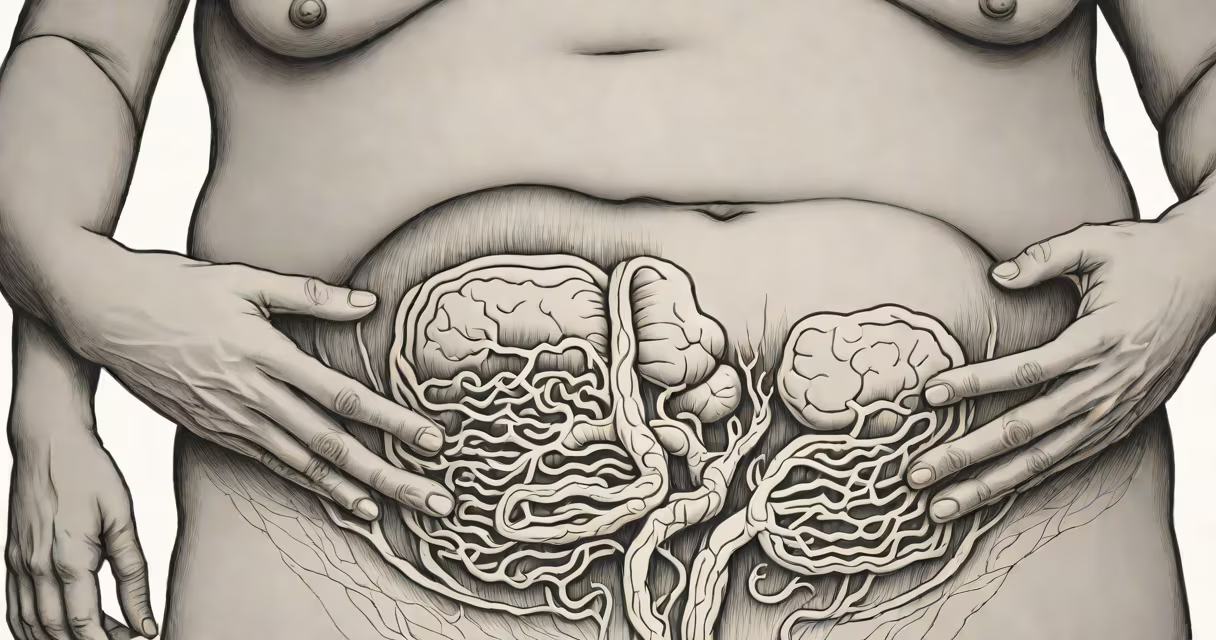
A bloated stomach with burning sensation occurs when gas or indigestion irritates the stomach lining, often caused by overeating, spicy foods, or acid reflux. This discomfort typically subsides within hours but may indicate underlying conditions if persistent.
The stomach expands due to excess gas or undigested food, while the burning sensation stems from stomach acid irritating the esophagus or stomach lining. Common triggers include:
Most cases result from lifestyle factors, but chronic bloating and burning may signal:
| Cause | Description |
|---|---|
| Acid Reflux | Stomach acid flows back into the esophagus, causing heartburn and bloating. |
| Gastritis | Inflammation of the stomach lining, often due to infection or long-term NSAID use. |
| Peptic Ulcers | Sores in the stomach lining caused by Helicobacter pylori bacteria or excessive acid. |
| Irritable Bowel Syndrome (IBS) | A functional gut disorder leading to bloating, cramping, and altered bowel habits. |
Consult a doctor if symptoms persist for more than two weeks, worsen over time, or occur with:
Many people assume bloating and burning stem solely from diet, but stress and anxiety also play significant roles. The gut-brain axis links emotional stress to digestive discomfort, as observed in functional dyspepsia patients.
Another myth is that antacids resolve all cases. While they neutralize acid, they don't address underlying issues like food intolerances or IBS.
Lifestyle changes often alleviate symptoms:
After a weekend of excessive pizza and beer, I woke up with severe bloating and a burning sensation. Drinking water and taking an antacid helped, but the discomfort returned until I adjusted my diet. A probiotic supplement later improved my digestion.
A bloated stomach with burning sensation usually results from dietary choices or acid reflux. While occasional symptoms are normal, persistent issues may require medical evaluation. Lifestyle adjustments and stress management often provide relief.