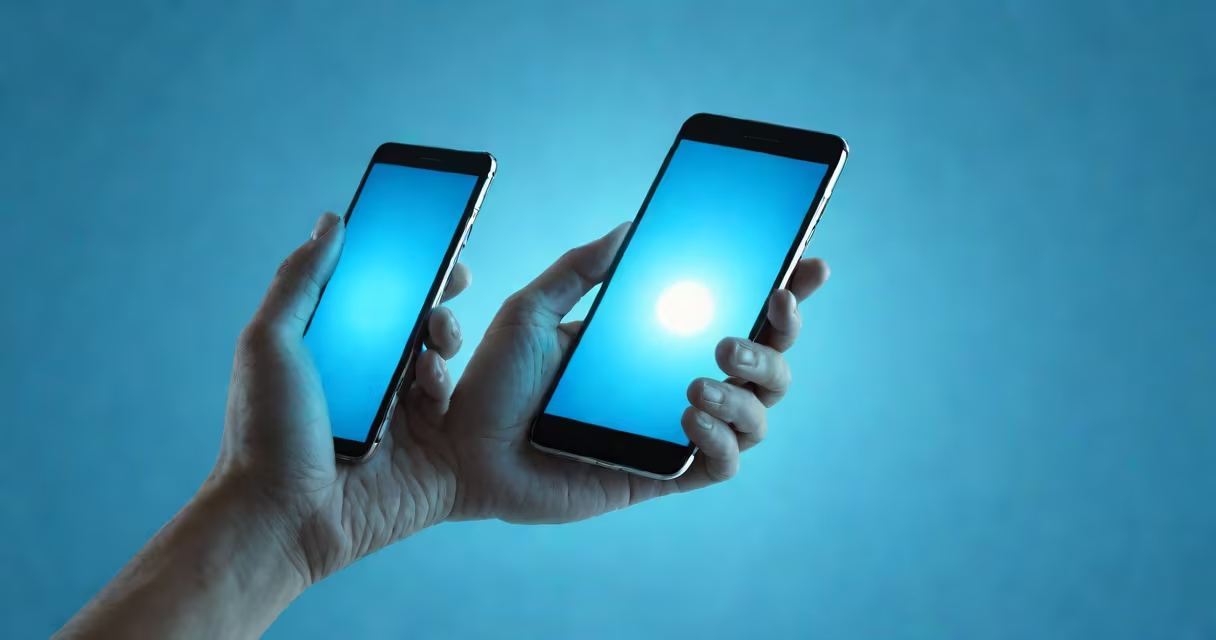
Blue light source identification is the process of recognizing devices and objects that emit blue wavelengths of light, primarily to mitigate potential health risks. This involves understanding common emitters like digital screens and LED bulbs.
Blue light is part of the visible light spectrum with wavelengths between 400 and 500 nanometers. While natural sunlight contains blue light, artificial sources often emit it at higher intensities. The human eye is particularly sensitive to these wavelengths, which can cause eye strain and disrupt sleep patterns.
Blue light sources emit short wavelengths that scatter more easily than other colors in the visible spectrum. This scattering is why blue light is more likely to cause glare and reduce visual contrast. Digital screens, for example, emit blue light to create bright, vivid displays. However, prolonged exposure can lead to digital eye strain.
Artificial blue light sources include:
| Source Type | Examples | Typical Usage |
|---|---|---|
| Digital Devices | Smartphones, tablets, computers | Entertainment, work, communication |
| Lighting | LED bulbs, fluorescent lights | Home and office lighting |
| Natural Sources | Sunlight | Daytime illumination |
Identifying blue light sources is important for maintaining eye health and well-being. Prolonged exposure to blue light, especially from screens, can lead to digital eye strain, headaches, and disrupted sleep cycles. According to the American Academy of Ophthalmology, blue light exposure may contribute to long-term eye damage.
For instance, using a smartphone before bedtime can suppress melatonin production, making it harder to fall asleep. Recognizing these sources allows individuals to take protective measures, such as using blue light filters or adjusting screen settings.
Many people confuse blue light with UV light, assuming all artificial light is equally harmful. However, blue light and UV light differ in their effects. UV light is primarily associated with skin damage and eye conditions like cataracts, while blue light mainly affects the eyes through screen exposure and can disrupt circadian rhythms.
Another misconception is that blue light is entirely harmful. Natural blue light from sunlight is essential for regulating the body's internal clock and boosting alertness during the day. The issue arises with excessive exposure to artificial blue light, particularly in the evening.
To mitigate the effects of blue light, consider the following strategies:
For example, enabling night mode on smartphones reduces blue light emission, making screens easier on the eyes during nighttime use., replacing harsh LED bulbs with warmer alternatives can create a more relaxing environment.
Understanding and identifying blue light sources is the first step toward protecting your eyes and improving health. By recognizing common emitters and taking appropriate measures, you can reduce the potential risks associated with blue light exposure.