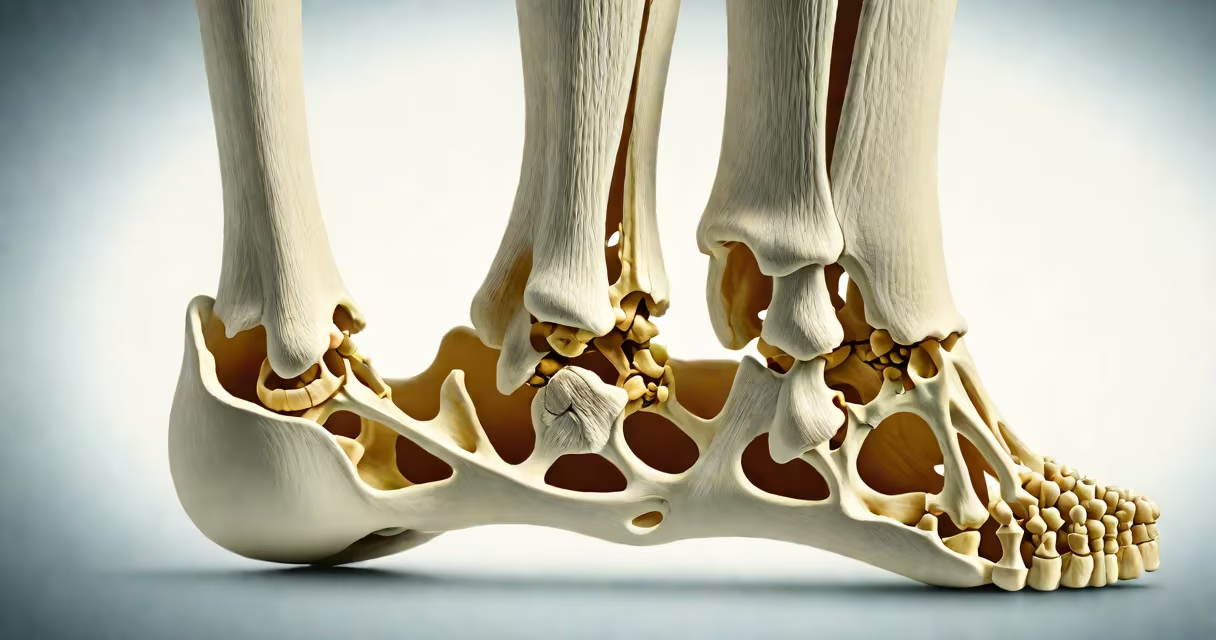
A bone spur back of heel surgery removes a bony projection growing on the back of the calcaneus (heel bone), typically caused by chronic inflammation or pressure. This procedure relieves pain and restores movement.
The surgery involves removing the spur and any inflamed tissue pressing on nearby nerves or tendons. Surgeons perform this procedure using minimally invasive techniques, such as endoscopic surgery, which reduces recovery time and scarring.
Bone spurs form due to aging, arthritis, or repetitive stress. The most common types affecting the heel include:
Doctors recommend surgery only after conservative treatments fail. These include rest, ice, orthotics, and anti-inflammatory medications. Surgery becomes necessary when pain persists, limiting daily activities or causing severe discomfort during walking.
According to the American Academy of Orthopaedic Surgeons, most patients find relief through nonsurgical methods. However, those with severe symptoms may require surgical intervention.
Recovery varies based on the procedure and individual health. Patients typically wear a protective boot for 2-6 weeks and avoid putting weight on the foot. Physical therapy helps restore strength and flexibility.
I observed this firsthand when my neighbor underwent this surgery. She followed her doctor's advice strictly, including wearing a boot and attending physical therapy sessions. Within three months, she resumed normal activities without pain.
Many people confuse bone spurs with heel spurs, assuming they're the same. While both involve bony growths, heel spurs specifically refer to spurs on the bottom of the foot, often associated with plantar fasciitis. Bone spurs can occur anywhere in the body, not just the heel.
Another misconception is that surgery always guarantees immediate relief. Recovery takes time, and some patients may still experience mild discomfort during healing.
Before considering surgery, doctors often recommend:
Bone spur back of heel surgery provides long-term relief for those suffering from chronic pain. While recovery requires patience, the results often improve mobility and quality of life.