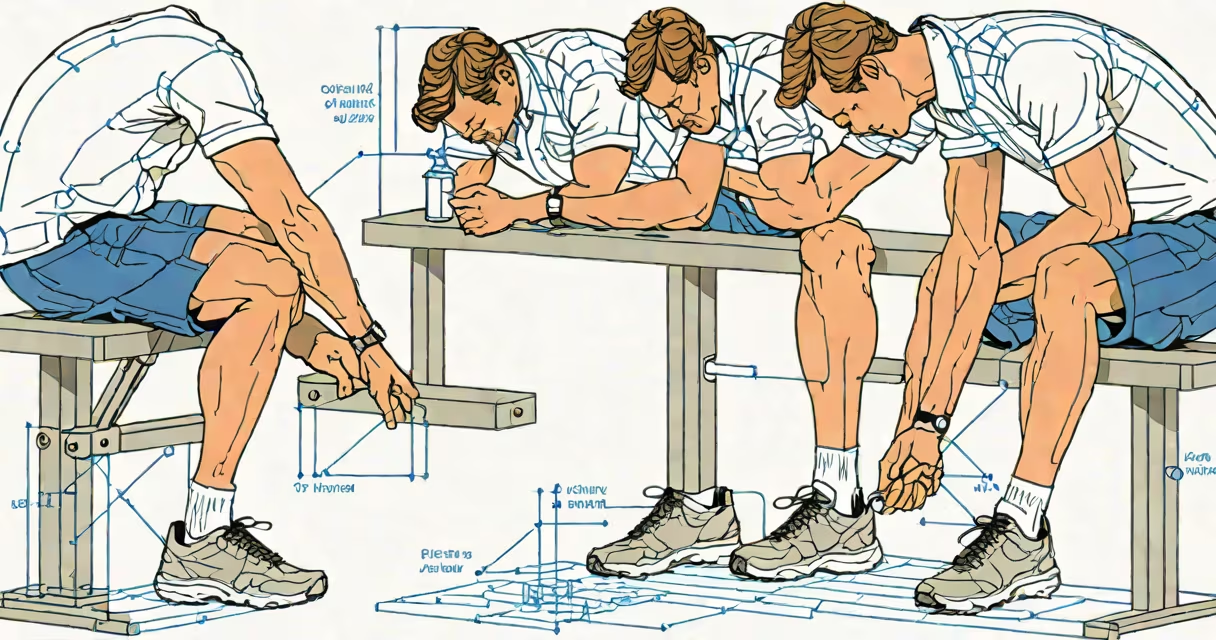
When both your calves ache simultaneously, it usually results from overuse, dehydration, or a mineral deficiency. Common causes include intense exercise, prolonged standing, or conditions like peripheral artery disease.
Calf muscles-composed of the gastrocnemius and soleus-support walking, running, and standing. When overworked or deprived of electrolytes, they cramp or ache. Unlike sudden cramps, persistent bilateral calf pain often signals an underlying issue.
Calf pain falls into three categories:
Overuse is the most frequent cause, especially after intense workouts or long walks. Dehydration and low potassium or magnesium levels also trigger calf aches. Other culprits include:
See a doctor if calf pain persists beyond a few days, worsens at night, or accompanies swelling, redness, or numbness. These symptoms may indicate a blood clot or nerve damage. A healthcare provider can diagnose the issue through physical exams, ultrasounds, or blood tests.
I once ignored persistent calf pain after a marathon, assuming it was normal soreness. After a week, the pain worsened, and a doctor diagnosed a minor muscle tear. Early treatment helped me recover faster.
Stay hydrated, stretch before and after exercise, and wear supportive shoes. Maintain a balanced diet rich in potassium and magnesium to prevent muscle cramps. If you frequently experience calf pain, consult a healthcare provider to rule out underlying conditions.