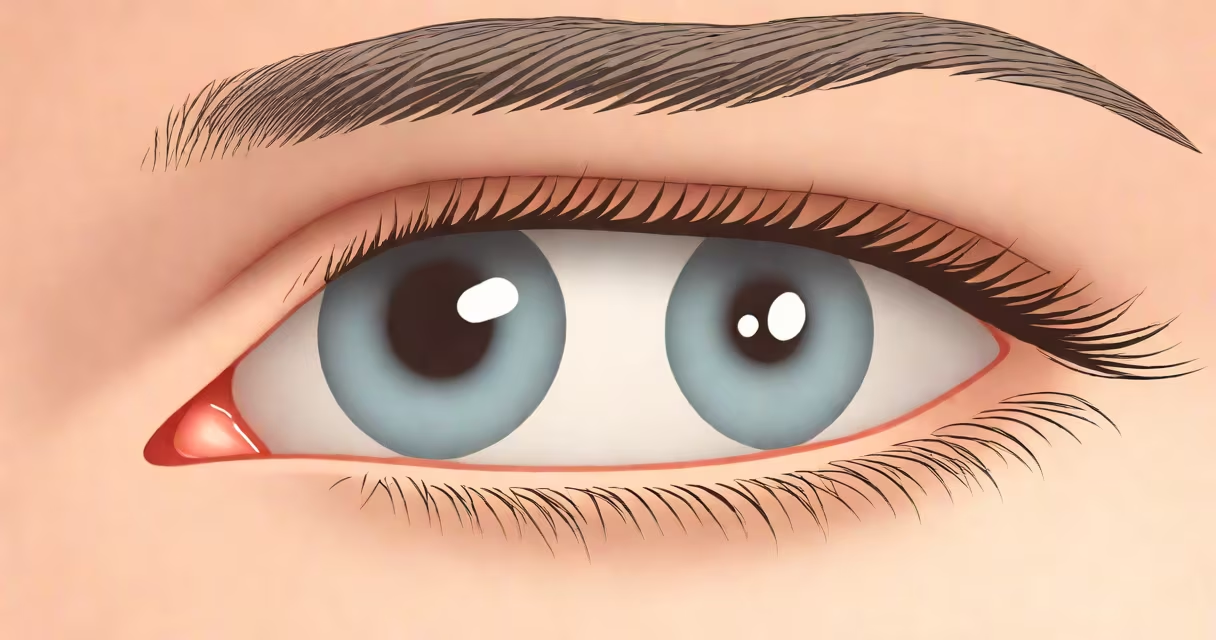
Bottom eyelid constantly twitching is a common condition called myokymia, where the muscle fibers in your lower eyelid contract involuntarily. These twitches are usually harmless but can be annoying.
Myokymia occurs when the nerves controlling your eyelid muscles send out irregular signals. This causes small, rapid contractions in the muscle fibers of your lower eyelid. The twitches are often felt more than seen, though they may be visible to others in some cases.
There are two primary types of eyelid twitching:
The exact cause of myokymia is often unknown, but several factors can contribute to it:
While there is no specific treatment for myokymia, several strategies can help reduce or eliminate the twitching:
If the twitching is severe or persistent, your doctor may recommend treatments such as Botox injections or medications to relax the muscles. In rare cases where the twitching is caused by irritation or compression of the facial nerve, surgical intervention may be necessary.
Many people confuse myokymia with other eye conditions, such as dry eye syndrome or blepharitis. While these conditions can cause discomfort and irritation, they do not typically involve the involuntary muscle contractions seen in myokymia., some people believe that eyelid twitching is a sign of a serious underlying health issue, but this is rarely the case.
I once experienced a persistent twitch in my bottom eyelid that lasted for several days. It was annoying but not painful. I found that reducing my caffeine intake and getting more sleep helped alleviate the twitching. By the end of the week, it had completely disappeared.
Bottom eyelid constantly twitching is a common and usually harmless condition. Understanding the causes and knowing how to manage it can help reduce the annoyance and discomfort associated with myokymia. If the twitching persists or is accompanied by other symptoms, it's important to seek medical advice.