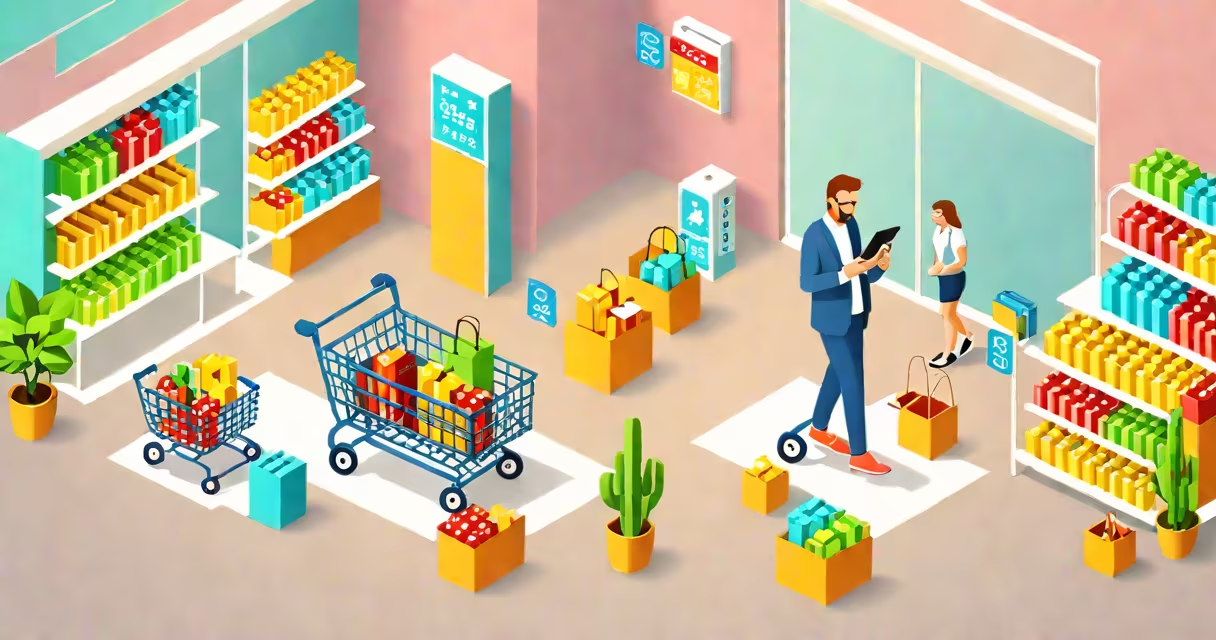
Business to consumer (B2C) is a retail model where businesses sell products or services directly to individual consumers, typically through advertising, e-commerce platforms, or physical stores.
B2C transactions involve four key steps: awareness, consideration, purchase, and retention. Companies use marketing campaigns to attract customers, provide detailed product information to aid decision-making, help easy checkout processes, and implement loyalty programs to encourage repeat business.
For example, when a customer buys a pair of shoes from Nike's website, they follow this path: they see an ad (awareness), visit the site to compare styles (consideration), complete the purchase (purchase), and receive emails about new releases (retention).
The most common B2C models include:
| Model | Description | Example |
|---|---|---|
| Direct Seller | Companies sell directly to consumers through their own channels. | Apple selling iPhones through its website or retail stores. |
| Online Marketplace | Third-party platforms connect buyers and sellers. | Amazon or eBay facilitating transactions between sellers and consumers. |
| Bricks-and-Clicks | Businesses operate both physical stores and online platforms. | Best Buy offering in-store pickup for online orders. |
| Subscription Services | Consumers pay recurring fees for ongoing access to products or services. | Netflix providing monthly streaming access. |
B2C is prevalent in industries like retail, food and beverage, entertainment, and personal care. Companies use this model because it allows them to build direct relationships with customers, gather valuable data for targeted marketing, and create personalized shopping experiences.
According to Statista, convenience and time savings are the top reasons consumers prefer online B2C shopping., the rise of mobile commerce has made B2C even more accessible, with 79% of smartphone users having made a purchase online using their mobile devices.
Another misconception is that B2C is only about online sales. While e-commerce is a significant part of B2C, traditional brick-and-mortar stores also fall under this model. For instance, a local bakery selling bread to customers directly is a B2C transaction, even though it happens in person.
When I worked at a small marketing agency, we helped a client launch a new line of organic skincare products. We used a combination of social media ads, influencer partnerships, and an e-commerce website to reach consumers directly. The campaign successfully drove awareness and sales, demonstrating the power of a well-executed B2C strategy.
By focusing on customer needs and using multiple channels, we were able to create a smooth shopping experience that resonated with the target audience.