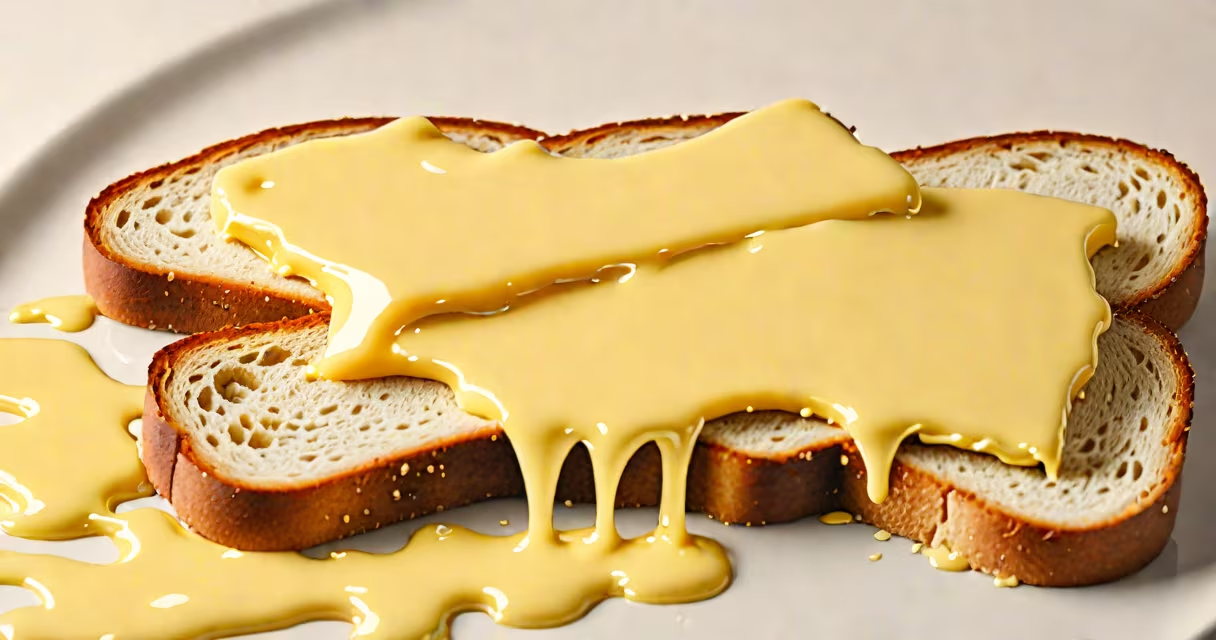
Butter can support weight loss when eaten in controlled portions as part of a nutrient-rich diet, providing essential fatty acids and vitamins. This high-fat dairy product has gained attention for its role in low-carb and ketogenic diets, which emphasize fat consumption for energy.
Butter contains short- and medium-chain fatty acids, which the body metabolizes more efficiently than long-chain fatty acids. These fats may promote feelings of fullness and reduce calorie intake., butter provides vitamins A, D, E, and K2, which support metabolism and health. A study published in the European Journal of Nutrition found that full-fat dairy products like butter may be associated with lower obesity rates due to their satiating effects.
| Type | Fat Content | Key Feature |
|---|---|---|
| Regular butter | 80% fat | Standard option, widely available |
| Grass-fed butter | 80% fat | Higher in omega-3s and vitamin K2 |
| Ghee | 99% fat | Lactose-free, suitable for sensitive individuals |
Many people assume that all fats are bad for weight loss, but this overlooks the distinction between unhealthy trans fats and healthy saturated fats found in butter. Another mistake is believing that butter must be avoided entirely when trying to lose weight. In reality, moderate consumption can fit into a balanced diet. The key is portion control and choosing high-quality sources.
Butter is often compared to other fats like olive oil and coconut oil. While olive oil is rich in monounsaturated fats, butter offers a unique profile of saturated fats and fat-soluble vitamins. Coconut oil contains medium-chain triglycerides (MCTs), which the body processes similarly to butter's short- and medium-chain fatty acids.
In my experience, incorporating small amounts of butter into meals helps maintain steady energy levels throughout the day, reducing the temptation to snack on less nutritious options.