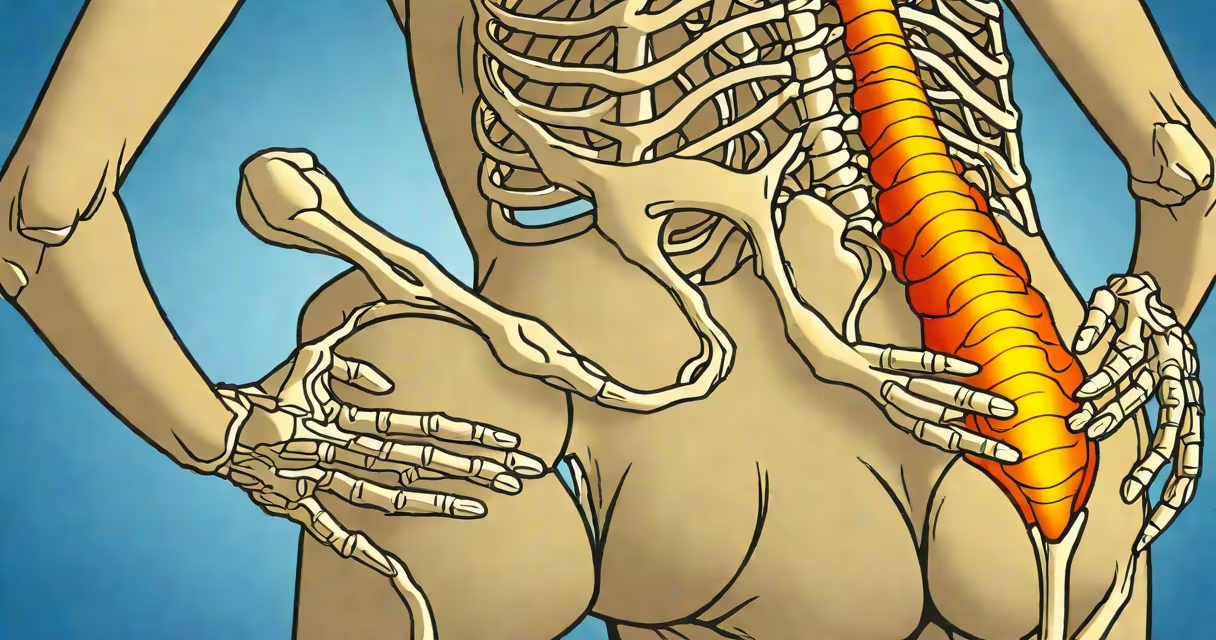
A herniated disc can cause groin pain when the bulging disc material presses on nearby nerves that transmit pain signals to the lower body. This occurs most commonly with lumbar spine herniations affecting the L2-L4 nerve roots.
The lower spinal nerves branch out to form the lumbar plexus, which supplies sensation to the groin area. When a herniated disc compresses these nerves:
For example, compression of the L2 nerve root may cause pain in the upper thigh and groin, while L3/L4 involvement typically affects the inner thigh and groin.
| Disc Location | Nerves Affected | Typical Pain Pattern |
|---|---|---|
| L2-L3 | Femoral nerve | Upper groin and front thigh pain |
| L3-L4 | Obturator nerve | Inner groin and medial thigh pain |
| L4-L5 | L4 nerve root | Lower groin and knee pain |
Doctors frequently confuse herniated disc-related groin pain with other conditions because:
One study found 37% of patients with lumbar disc herniations initially sought care for groin pain rather than back pain (Spine Journal, 2018).
When evaluating potential disc-related groin pain, doctors typically:
I once observed a patient whose groin pain was initially diagnosed as a sports injury. After six weeks without improvement, an MRI revealed an L3-L4 herniation that explained all symptoms.
First-line treatments focus on reducing nerve compression and inflammation:
Most patients improve within 6-12 weeks with conservative treatment. Surgery becomes necessary in fewer than 10% of cases (American Academy of Orthopaedic Surgeons, 2020).
Consult a healthcare provider if groin pain: