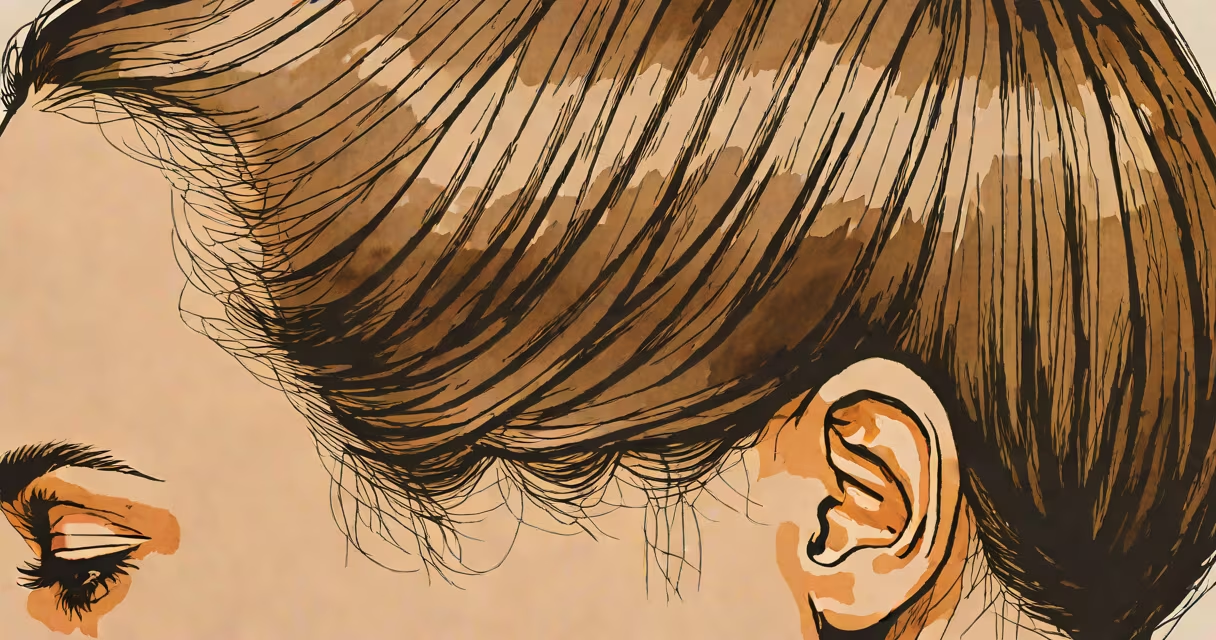
A woman can develop a receding hairline due to genetic factors, hormonal changes, or medical conditions. Unlike men, women typically experience diffuse thinning rather than a distinct receding pattern.
Hair loss in women often follows a different pattern than in men. While men frequently develop a noticeable M-shaped recession at the temples, women usually see thinning across the top of the scalp. This can make early signs harder to detect.
The most common causes of a receding hairline in women include:
Many assume only men experience receding hairlines, but women can too. The difference lies in the pattern. Women often notice thinning along the part line or crown first, rather than a receding frontal hairline. A study published in the Journal of the American Academy of Dermatology found that 42% of women reported hair loss by age 70.
If you notice changes, consult a dermatologist. Treatments like minoxidil (Rogaine) or low-level laser therapy can help. For more details, read what can I do about a receding hairline.
I've seen this firsthand with clients who assumed their thinning was just aging. Early intervention makes a difference.