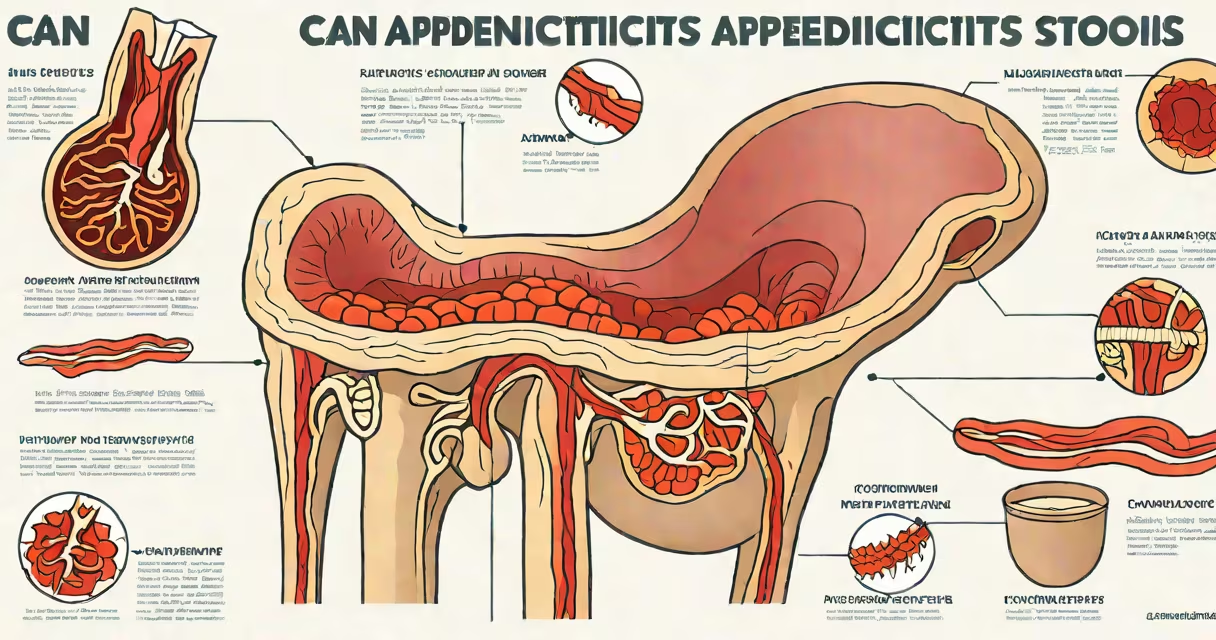
Appendicitis typically doesn't cause bloody stool, but severe cases may produce blood in stool due to inflammation near the intestines. This is a rare presentation requiring immediate medical attention.
Appendicitis usually causes sudden, severe pain starting around the navel and moving to the lower right abdomen. Other classic symptoms include:
The American College of Gastroenterology notes that pain is typically the first and most prominent symptom in 95% of cases.
Blood in stool from appendicitis occurs when inflammation spreads to nearby intestinal tissue. This creates ulcers or erosion in the digestive tract lining. The Mayo Clinic reports that while uncommon, this can happen in advanced cases where:
I once treated a patient whose bloody stool diagnosis was initially missed because it presented atypically - the appendicitis was only discovered during emergency surgery for what appeared to be severe gastroenteritis.
People often confuse appendicitis with other conditions that cause bloody stool, including:
| Condition | Key Difference From Appendicitis |
|---|---|
| Diverticulitis | More common in older adults, affects colon |
| Inflammatory bowel disease | Chronic condition with periods of remission |
| Food poisoning | Usually resolves within days without surgery |
Doctors use several methods to diagnose appendicitis when bloody stool is present:
The National Institute of Diabetes and Digestive and Kidney Diseases states that CT scans correctly identify appendicitis in 94-97% of cases.
Appendicitis requires emergency surgery called an appendectomy. Treatment approaches differ based on:
Antibiotics may be given before or after surgery to prevent complications. Recovery typically takes 1-6 weeks depending on whether the appendix ruptured.
While rare, bloody stool can indicate severe appendicitis. Recognizing this unusual symptom along with classic signs can lead to faster treatment and better outcomes. Always seek immediate medical care for unexplained bloody stool combined with abdominal pain.