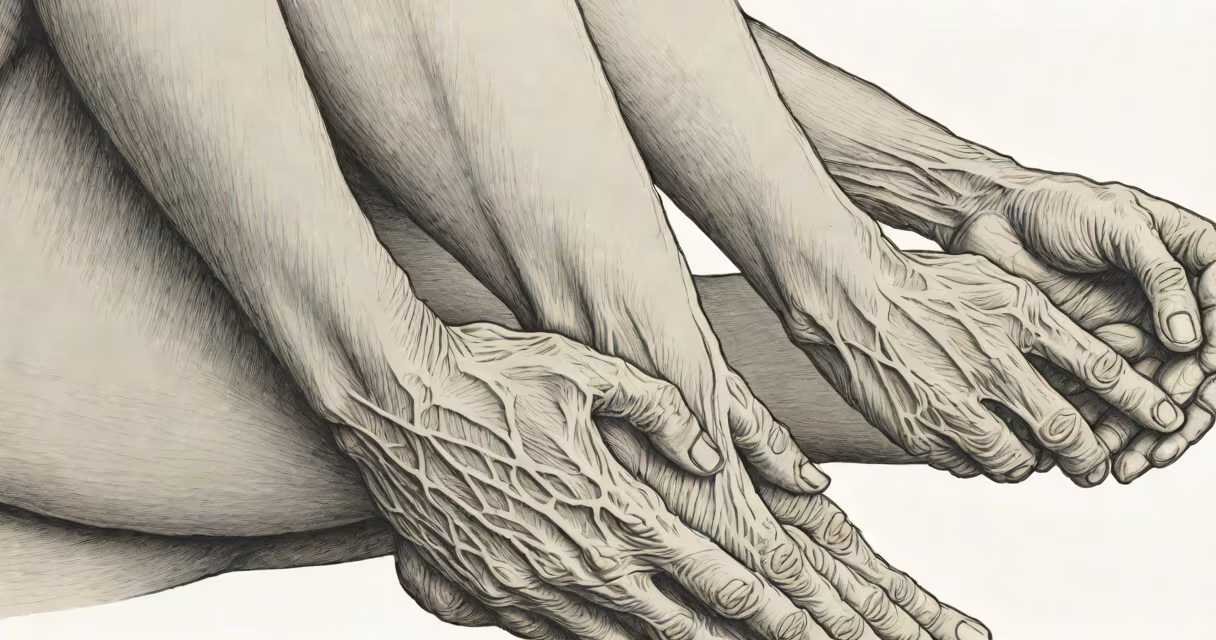
Arthritis cannot be fully reversed, but treatments can reduce symptoms and slow progression. While damage to joints is often permanent, early intervention and lifestyle changes may improve function and quality of life.
Arthritis involves inflammation, cartilage breakdown, and bone changes. Osteoarthritis, the most common type, results from wear and tear, while autoimmune arthritis occurs when the immune system attacks joint tissues. Both types cause pain, stiffness, and reduced mobility.
| Type | Cause | Key Feature |
|---|---|---|
| Osteoarthritis | Joint wear and tear | Cartilage degradation |
| Rheumatoid arthritis | Autoimmune attack | Systemic inflammation |
| Psoriatic arthritis | Linked to psoriasis | Skin and joint involvement |
Medications like NSAIDs and DMARDs manage symptoms and slow disease progression. Physical therapy improves joint function, while lifestyle changes such as weight management and exercise reduce stress on joints. In severe cases, surgeries like joint replacements restore mobility.
Research explores regenerative treatments like stem cell therapy and platelet-rich plasma (PRP) injections. These aim to repair damaged tissues, though long-term effectiveness requires further study. Anti-inflammatory diets and supplements, including omega-3s and turmeric, may also support joint health.
While no cure exists, combining medical treatments, lifestyle adjustments, and emerging therapies can improve arthritis management. Early diagnosis and consistent care are key to maintaining joint function and reducing pain.