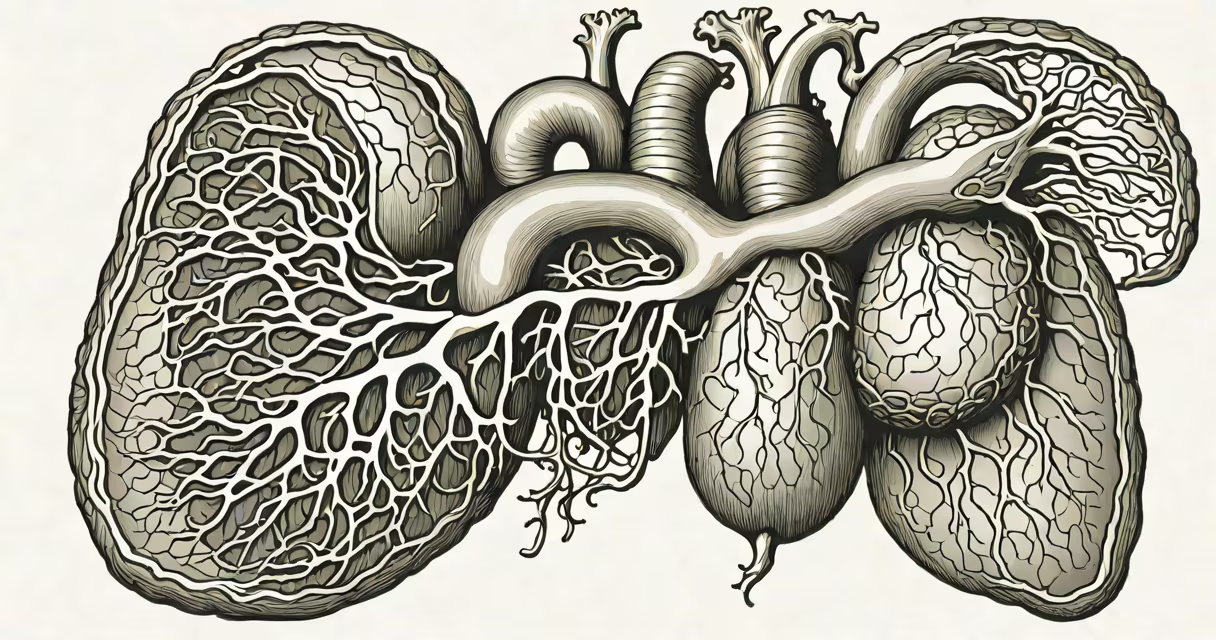
Gallbladder issues can sometimes cause heart palpitations due to referred pain or stress on the nervous system, though they don't directly affect the heart.
The gallbladder and heart share nerve connections through the vagus nerve, which can create confusion between organ systems. When the gallbladder is inflamed or blocked, the nerves may send signals that mimic heart-related sensations, including palpitations.
Gallbladder problems typically fall into three categories:
Gallbladder issues often present with abdominal pain, nausea, and bloating. However, some people experience referred pain in the chest or shoulder area, which can feel like heart palpitations. A study published in the Journal of Clinical Gastroenterology found that 15% of patients with gallbladder disease reported chest pain as a symptom.
If you experience heart palpitations alongside abdominal pain, especially after eating fatty or greasy foods, consult a healthcare provider. While gallbladder issues rarely cause direct heart problems, they can mimic cardiac symptoms. A doctor can perform tests such as an ultrasound, blood tests, or an electrocardiogram (ECG) to determine the cause.
I once had a patient who came in convinced they were having a heart attack. After testing, we discovered their gallbladder was inflamed, and the referred pain was causing their palpitations. After gallbladder removal, their symptoms resolved completely.
Heart palpitations caused by gallbladder issues are often confused with anxiety or heart conditions. Unlike gallbladder-related palpitations, anxiety-induced palpitations are usually triggered by stress and may come with sweating or dizziness. Heart disease-related palpitations may occur during physical activity or at rest and could be accompanied by shortness of breath.