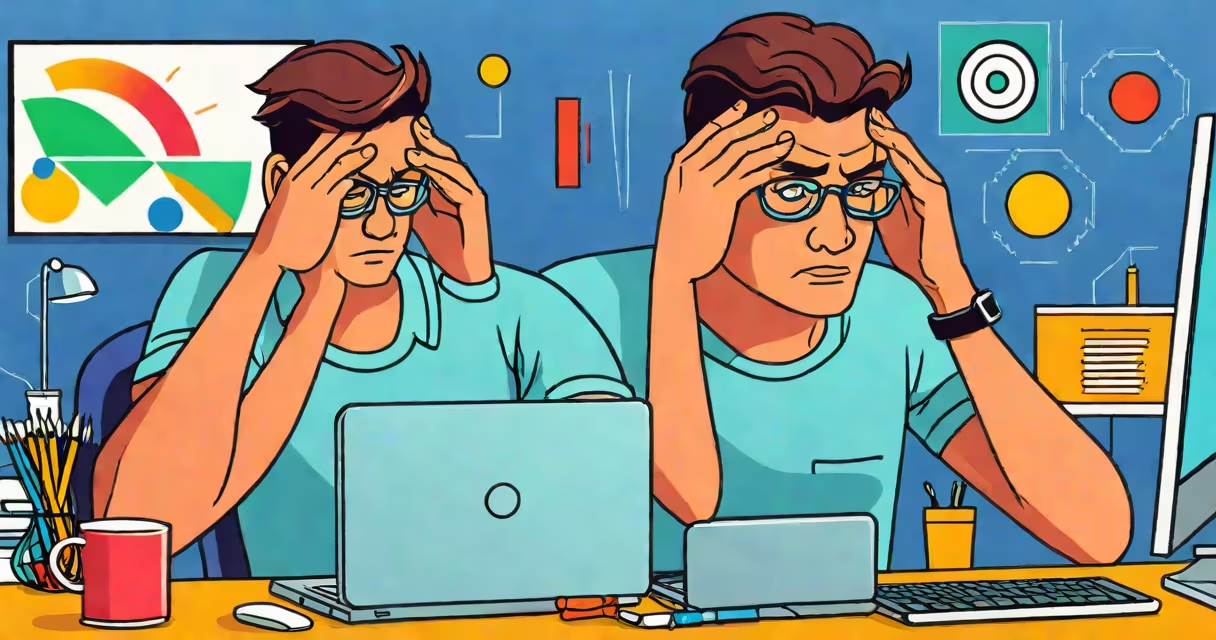
Eye problems can trigger migraines by straining the eyes and causing tension headaches. This happens because vision issues force your eyes to work harder, leading to headaches that may develop into migraines.
When your eyes struggle to focus due to problems like nearsightedness or astigmatism, they send signals to your brain that create tension. This tension can radiate to your forehead and temples, where migraine pain often begins. According to the American Migraine Foundation, eye strain is a common migraine trigger.
The most common eye conditions that may contribute to migraines include:
If you frequently experience headaches after activities requiring intense focus-such as reading or driving-consult an eye doctor. A complete eye exam can determine if vision correction reduces your migraines. The American Optometric Association recommends regular eye exams, especially if you spend long hours on digital devices.
I noticed my own migraines improved after updating my prescription and using blue-light-filtering glasses while working on screens. The change was noticeable within weeks.
Many people assume all headaches from eye strain are the same. However, tension-type headaches differ from migraines in duration and symptoms. Migraines often include throbbing pain, sensitivity to light, and nausea, while tension headaches typically cause dull pressure.
To reduce the risk of migraines caused by eye strain, follow these steps: