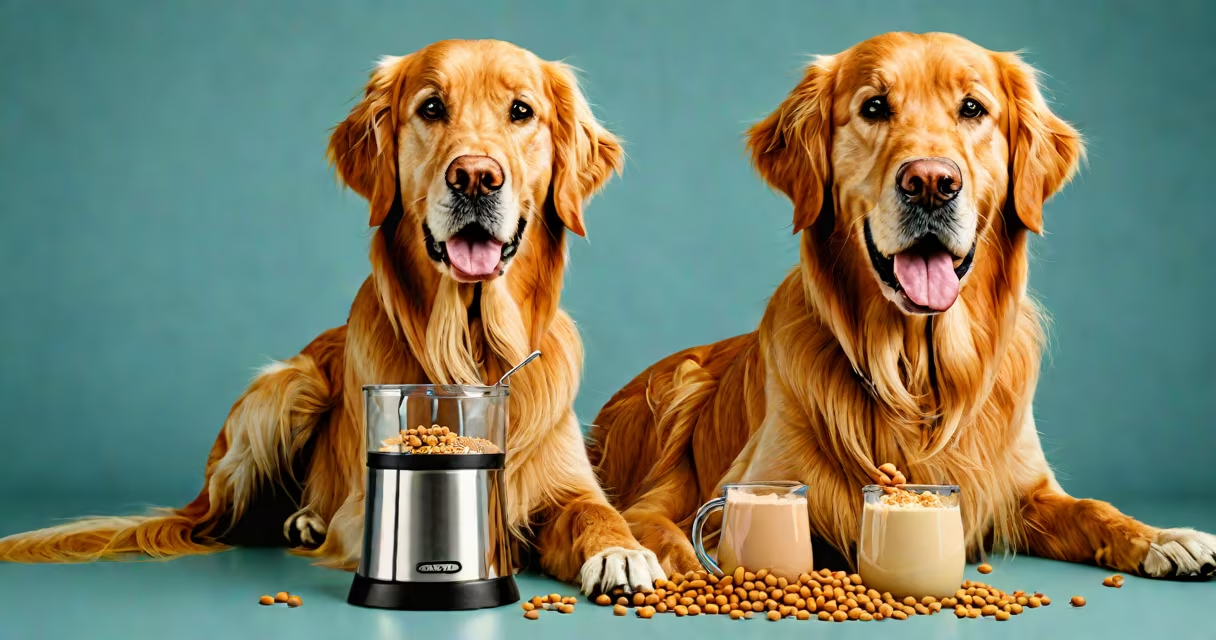
Dogs can have protein shakes, but only if they're made with dog-safe ingredients and avoid harmful additives. Human protein shakes often contain xylitol, caffeine, or artificial sweeteners, which are toxic to dogs.
Protein shakes for dogs provide additional nutrients to support muscle growth, recovery, and health. Unlike humans, dogs don't require high-protein diets unless they're highly active or recovering from illness. A balanced diet typically meets their needs.
Safe protein sources for dogs include lean meats like chicken, turkey, and beef. Eggs and fish are also good options. Avoid processed meats, as they may contain excessive salt or preservatives.
| Safe Protein Source | Unsafe Ingredient |
|---|---|
| Chicken breast | Xylitol |
| Turkey | Caffeine |
| Beef | Artificial sweeteners |
| Eggs | Chocolate |
| Fish | Alcohol |
Veterinarians may recommend protein shakes for dogs recovering from surgery, illness, or injury. They're also useful for senior dogs who struggle to eat enough due to dental issues. Always consult a vet before introducing protein shakes to ensure they're necessary and safe for your dog's specific health condition.
Many people assume that protein shakes are beneficial for all dogs, but this isn't true. Excessive protein can lead to kidney strain in dogs with pre-existing conditions., some believe that any human protein shake is safe, but most contain harmful ingredients like xylitol, which is deadly even in small amounts.
I once made the mistake of giving my dog a small sip of my protein shake before realizing it contained xylitol. After a quick call to the vet, we were fortunate that the amount was negligible, but it was a close call. Always double-check ingredients before sharing any human food with pets.
To make a safe protein shake for your dog, blend 1 cup of plain Greek yogurt with ½ cup of unsweetened almond milk and 1 tablespoon of peanut butter. Add a small piece of cooked chicken breast for extra protein. This shake provides a balanced mix of protein and fats without harmful additives.
If your dog ingests xylitol or other toxic ingredients, contact your veterinarian immediately. Symptoms of xylitol poisoning include vomiting, lethargy, and seizures. Early intervention is important for preventing severe complications.