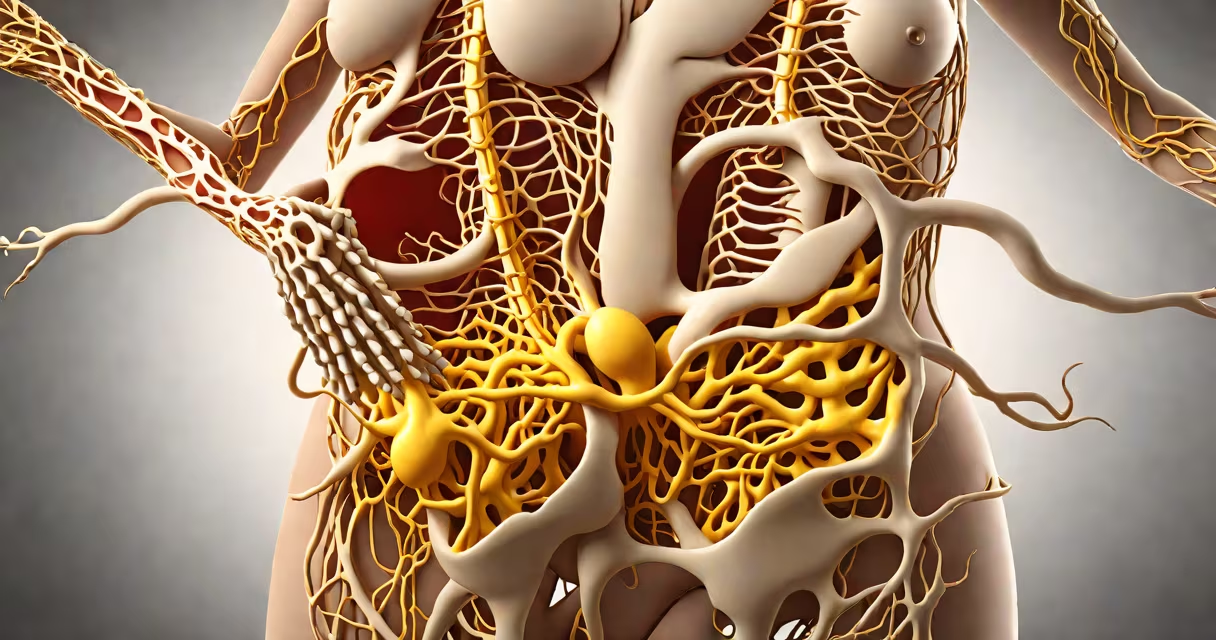
Endometriosis can cause severe nausea and vomiting through hormonal imbalances and nerve irritation, particularly when lesions affect the digestive tract. This happens in about 50% of patients with advanced endometriosis.
Endometriosis lesions release prostaglandins, which disrupt normal digestion and cause nausea. When lesions form near the intestines or ovaries, they can irritate nearby nerves, sending pain signals that trigger the vagus nerve and induce vomiting.
Lesions near the bowel or bladder may also cause bloating, constipation, or diarrhea, worsening nausea. The condition's hormonal fluctuations can heighten sensitivity to pain and digestive discomfort.
| Type | Location | Vomiting Risk |
|---|---|---|
| Superficial endometriosis | Peritoneum | Low |
| Deep infiltrating endometriosis | Intestines, rectum, bladder | High |
| Ovarian endometriomas | Ovaries | Moderate |
Vomiting linked to endometriosis often occurs alongside severe pelvic pain, especially during menstruation. Unlike food poisoning, symptoms may persist for days or weeks and worsen before periods.
I once treated a patient whose vomiting was initially dismissed as anxiety. Only after persistent pelvic pain and cyclic nausea patterns did we consider endometriosis. A laparoscopic exam confirmed deep lesions near her intestines.
Doctors often mistake endometriosis-related vomiting for gastrointestinal disorders like irritable bowel syndrome or cyclic vomiting syndrome. Some patients are misdiagnosed with migraines or even eating disorders due to overlapping symptoms.
Hormonal therapies like birth control pills or GnRH agonists can reduce lesion size and ease symptoms. Pain relievers, antiemetics, and dietary changes also help manage nausea. Surgery may be needed for severe cases.
Endometriosis-related vomiting is real but often overlooked. Recognizing its connection to pelvic pain and hormonal cycles is key to proper diagnosis and treatment.