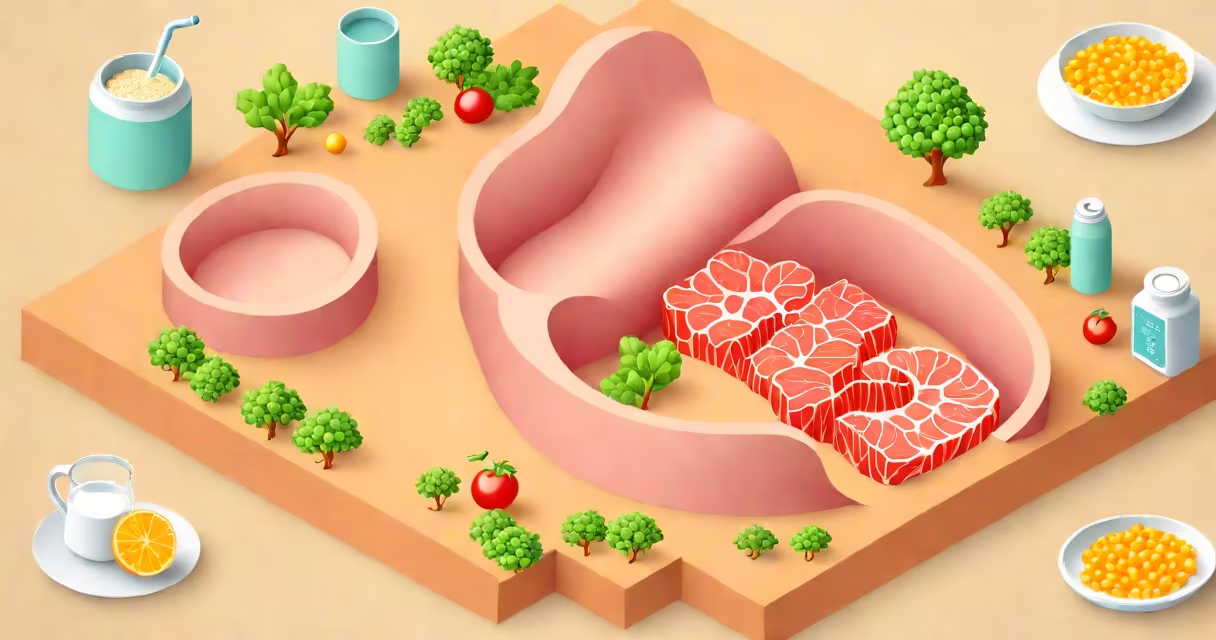
Yes, gastroesophageal reflux disease (GERD) can cause stomach bloating due to increased stomach acid and impaired digestion. This happens because acid reflux disrupts normal stomach function and slows gastric emptying.
GERD occurs when stomach acid flows back into the esophagus, irritating its lining. This reflux triggers bloating through several mechanisms:
Studies confirm this link: research in Clinical Gastroenterology and Hepatology found that 68% of GERD patients reported bloating as a symptom.
| Type | Cause | Duration |
|---|---|---|
| Postprandial | Immediate reflux after eating | Hours |
| Chronic | Persistent acid exposure | Days/weeks |
| Nocturnal | Nighttime reflux | Morning hours |
Postprandial bloating occurs within hours of eating, while chronic bloating persists due to ongoing inflammation. Nocturnal bloating results from nighttime reflux, often worse upon waking.
To reduce bloating caused by GERD, focus on dietary and lifestyle changes:
Over-the-counter antacids or prescription medications like PPIs can also help manage symptoms.
Consult a healthcare provider if bloating persists despite lifestyle changes, or if accompanied by:
These symptoms may indicate complications like gastritis or peptic ulcers requiring medical attention.