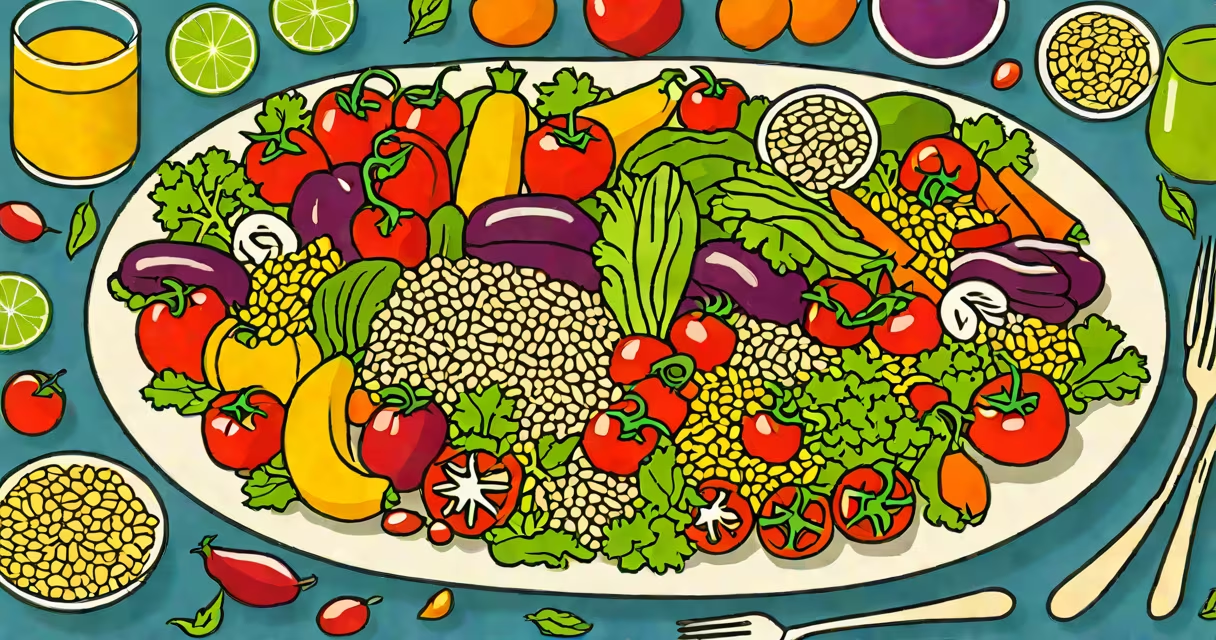
Not eating meat can help you lose weight by reducing calorie intake, increasing fiber consumption, and improving metabolic health. This approach works because plant-based foods are typically lower in calories and higher in nutrients than animal products.
Plant-based diets promote weight loss primarily through calorie reduction and improved satiety. A study published in the Journal of the Academy of Nutrition and Dietetics found that vegetarians consume fewer calories daily than omnivores, even when eating similar portion sizes. This occurs because plant foods like vegetables, fruits, and legumes are naturally lower in calories and higher in fiber, which keeps you full longer.
Several plant-based diets exist, each with unique benefits for weight loss:
| Diet Type | Key Features | Weight Loss Potential |
|---|---|---|
| Vegan | Excludes all animal products | High (due to low calorie density) |
| Vegetarian | Excludes meat but includes dairy/eggs | Moderate to high |
| Pescatarian | Excludes meat except fish | Moderate |
| Flexitarian | Mostly plant-based with occasional meat | Moderate |
Many assume plant-based diets lack protein, but beans, lentils, tofu, and quinoa provide ample protein. Another myth is that these diets are automatically healthy-processed vegan foods like fried mock meats or sugary snacks can hinder weight loss. The key is focusing on whole, minimally processed plant foods.
Breakfast: Overnight oats with almond milk, chia seeds, and berries (300 calories)
Lunch: Chickpea salad with mixed greens, cucumber, and lemon-tahini dressing (400 calories)
Snack: Carrot sticks with hummus (150 calories)
Dinner: Lentil curry with brown rice and steamed broccoli (500 calories)
Total: 1,350 calories (typical weight-loss target)
I tried this meal plan for a week and lost 3 pounds while feeling more energetic. The high fiber content kept me satisfied between meals, preventing overeating.
Plant-based diets are often mistaken for restrictive fad diets because both emphasize specific food groups. However, plant-based eating focuses on long-term health, whereas fad diets promise quick fixes. The American Heart Association recommends plant-based diets for sustainable weight management and cardiovascular health.
A 2016 study in Obesity Reviews found that plant-based diets are linked to lower body mass index (BMI) and reduced risk of obesity-related diseases. Researchers attribute this to the high fiber content, which slows digestion and stabilizes blood sugar levels, preventing cravings.
For strategies on lose weight without eating, consider intermittent fasting combined with plant-based meals for optimal results.
Not eating meat can help you lose weight by promoting a natural calorie deficit through nutrient-rich, low-calorie plant foods. Focus on whole foods and avoid processed alternatives for the best results.