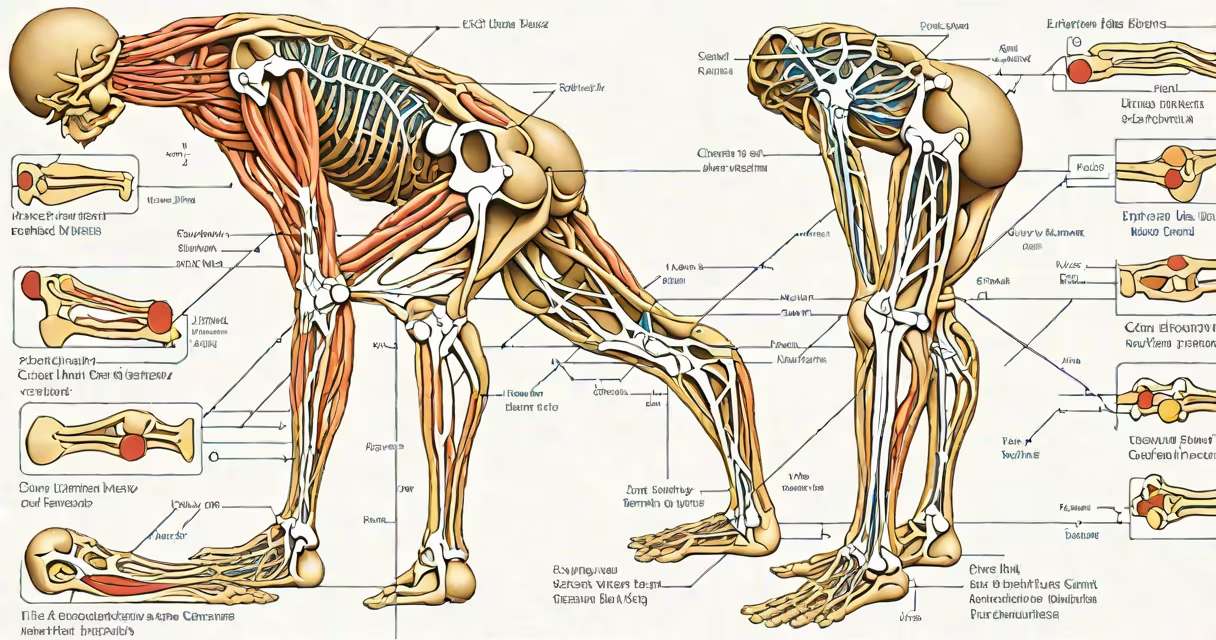
Tight hip flexors may contribute to sciatica-like symptoms by compressing the sciatic nerve or irritating nearby structures, though they don't directly cause true sciatica. The iliopsoas muscle group connects your spine to your femur, and chronic shortening can alter pelvic alignment.
The sciatic nerve runs from your lower back through your hips and buttocks. When hip flexors are persistently tight, they can:
Research published in the Journal of Bodywork and Movement Therapies shows that hip flexor tightness is commonly associated with lower back pain patterns that mimic sciatica.
True sciatica typically produces:
Hip flexor-related pain usually presents as:
Consult a healthcare provider if you experience:
Physical therapists can perform specific tests to determine whether hip flexor tightness is contributing to your symptoms.
A 2018 study in Spine Journal found that 30% of patients diagnosed with sciatica actually had referred pain from hip joint dysfunction. Proper assessment is important for effective treatment.