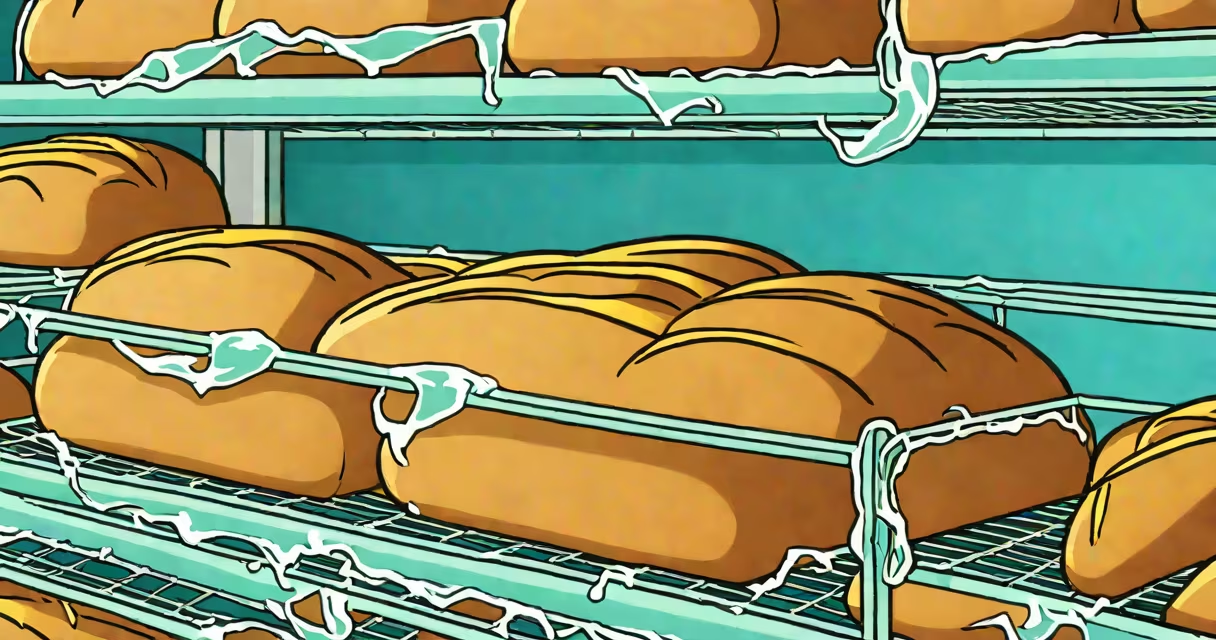
Yes, you can freeze bread to preserve freshness for up to six months. Freezing pauses microbial growth and slows staling by reducing moisture loss.
Freezing bread works by turning water molecules into ice crystals, which halts enzymatic activity and microbial growth. This prevents mold and slows starch retrogradation, the process that makes bread stale. According to the USDA, frozen foods remain safe indefinitely, though quality degrades over time.
| Bread Type | Freezes Well? | Notes |
|---|---|---|
| Whole-grain bread | Yes | High fiber content helps retain moisture |
| White sandwich bread | Yes | Best for toasting after thawing |
| Artisan sourdough | Moderately | Texture changes may occur |
| Gluten-free bread | No | Crumbly texture worsens after freezing |
Wrap bread tightly in plastic wrap or aluminum foil, then place it in a freezer bag. For best results, slice the bread first and freeze slices individually on a tray before bagging. This prevents freezer burn and makes thawing easier.
Thaw bread at room temperature for 1-2 hours or toast it directly from frozen. Reheating in an oven or toaster restores crispness better than microwave thawing. I've found that bread with added lecithin retains softer texture after freezing.
Many people believe freezing makes bread dry, but proper wrapping prevents this. Another myth is that all breads freeze equally well - gluten-free varieties often perform poorly due to their delicate structure.