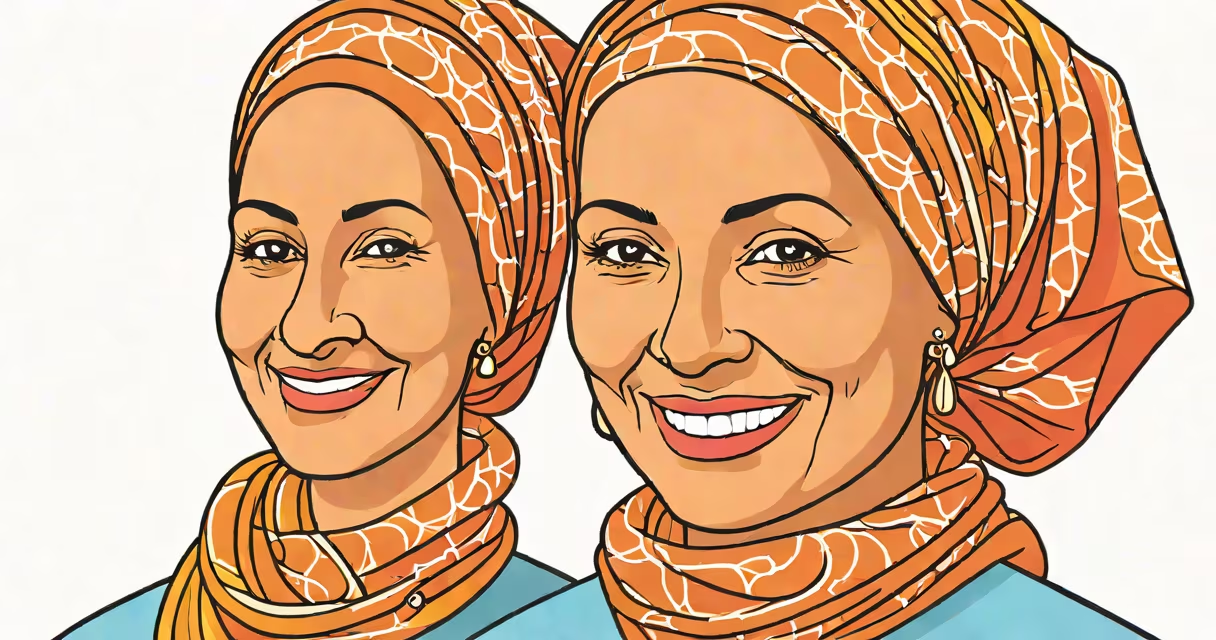
Cancer patient hair loss happens when chemotherapy drugs attack rapidly dividing cells, including those in hair follicles. This side effect, called alopecia, typically begins within weeks of treatment and can affect all body hair.
Chemotherapy targets fast-growing cells to kill cancer cells. However, hair follicles also divide quickly, making them vulnerable. The drugs disrupt the hair growth cycle, pushing follicles into a resting phase. Without intervention, hair may fall out entirely within weeks.
| Type | Description | Timing |
|---|---|---|
| Alopecia Areata | Autoimmune attack on hair follicles, often triggered by cancer treatments | Before, during, or after treatment |
| Anagen Effluvium | Sudden hair loss due to chemotherapy targeting growing hair follicles | Within days or weeks of starting chemo |
| Telogen Effluvium | Delayed shedding due to stress or hormonal changes from cancer treatments | Months after treatment begins |
Scalp cooling systems reduce blood flow to hair follicles during chemotherapy, lowering drug concentration. These caps circulate coolant, keeping the scalp at 60°F (16°C). Studies show they prevent hair loss in 50% of patients. Wigs, scarves, and hats also provide coverage.
Nutritional support plays a role. Biotin, zinc, and protein-rich diets promote follicle health. Avoid tight hairstyles that strain follicles. Gently wash hair with mild shampoos and use wide-tooth combs to minimize breakage.
Hair usually regrows within 3-6 months after chemotherapy ends. New growth may differ in texture or color initially. Permanent hair loss is rare unless high-dose treatments or radiation were used.
Support groups and counseling help patients cope with the emotional impact of hair loss. Organizations like the American Cancer Society offer free wigs and resources. Connecting with others who've experienced similar challenges can provide comfort and practical advice.
When I worked with cancer patients, I saw how scalp cooling and emotional support made a difference. One patient told me, "Keeping my hair gave me a sense of control during treatment."