Kathmandu is the capital city of Nepal, a historic urban center nestled in the Himalayas at 1,400 meters above sea level. It serves as the political, cultural, and economic heart of the country, home to roughly 1 million residents.
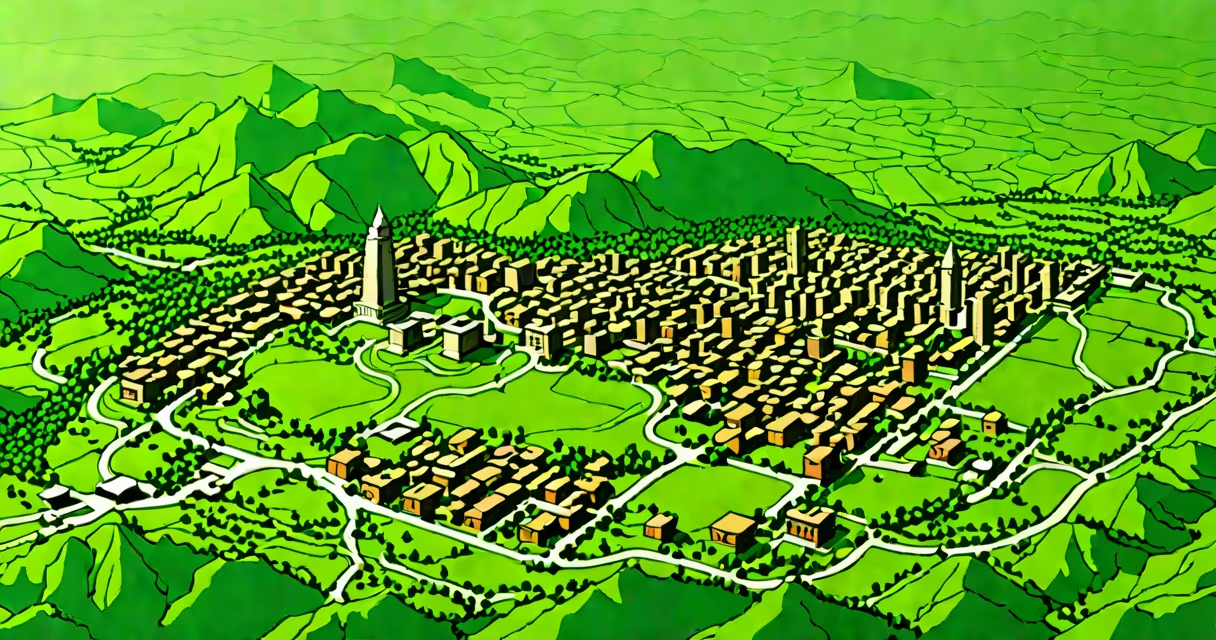
Kathmandu sits in a bowl-shaped valley known as the Kathmandu Valley, surrounded by four major mountains: Shivapuri, Phulchoki, Nagarjun, and Chandragiri. The valley contains three districts: Kathmandu, Lalitpur, and Bhaktapur, each with its own distinct history and architecture.
The city's location makes it vulnerable to earthquakes, as demonstrated by the devastating 2015 Nepal earthquake. This geographic challenge has shaped modern building codes and urban planning efforts.
Kathmandu's history dates back to the 9th century, with evidence of earlier settlements. It became the royal capital of the Kingdom of Nepal in the 18th century under Prithvi Narayan Shah. The city's name derives from "Kasthamandap," a wooden structure built in the 16th century that once stood near Durbar Square.
UNESCO recognizes seven groups of monuments in Kathmandu Valley as World Heritage Sites, including Swayambhunath Stupa, Boudhanath Stupa, and Pashupatinath Temple, a major Hindu pilgrimage site.
Today, Kathmandu balances its ancient heritage with modern development. The city hosts government institutions, international embassies, and numerous educational and healthcare facilities. Tourism remains a important industry, attracting visitors to its historic sites, trekking opportunities, and vibrant culture.
Challenges include rapid urbanization, traffic congestion, and air pollution. The city's growth has outpaced infrastructure development, creating pressures on housing, water supply, and waste management.
Kathmandu is a melting pot of ethnic groups, languages, and religions. Newari culture dominates much of the city's heritage, evident in its cuisine, festivals, and traditional crafts. The city celebrates festivals like Dashain, Tihar, and Indra Jatra with great enthusiasm.
Artisans create complex metalwork, woodcarvings, and thangka paintings, preserving centuries-old traditions. The city's cafes, bookshops, and music venues reflect a growing arts scene.
Tribhuvan International Airport connects Kathmandu to global destinations. Within the city, public transportation includes microbuses, tempos (three-wheeled taxis), and an emerging bus rapid transit system. However, traffic jams are common due to narrow roads and high vehicle density.
Efforts to improve infrastructure include expanding roads, upgrading public transport, and implementing smart city initiatives. The government aims to balance modernization with preservation of the city's historic character.
Kathmandu drives Nepal's economy through trade, tourism, and services. Major industries include textiles, carpets, and handicrafts. The city hosts markets like Asan and Indrachowk, offering everything from fresh produce to traditional clothing.
Tourism contributes to the local economy. Visitors explore UNESCO sites, go trekking in nearby mountains, and experience Nepali hospitality. Adventure tourism, including paragliding and whitewater rafting, attracts thrill-seekers.
Kathmandu faces environmental challenges such as air pollution from vehicle emissions and industrial activities. Efforts to promote electric vehicles and improve waste management are underway. The city also deals with issues like water scarcity and sewage management.
Looking ahead, Kathmandu aims to become a sustainable urban center. Initiatives focus on green spaces, renewable energy, and disaster resilience. Preserving its cultural heritage while embracing modernity remains a key goal.