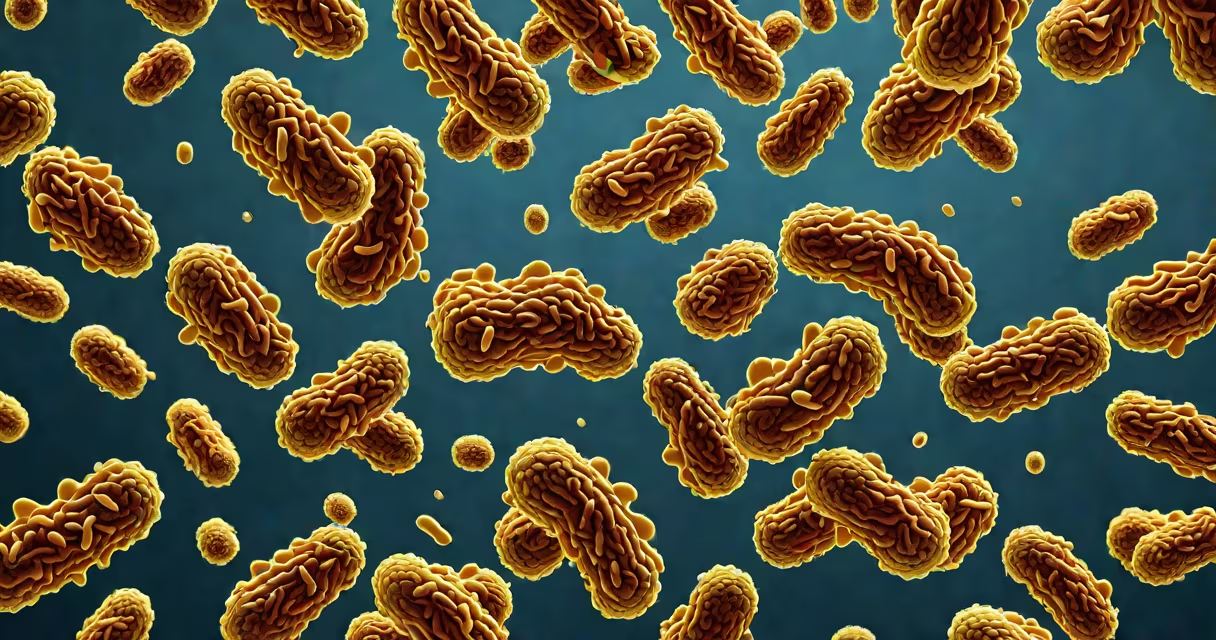
Carbapenem resistant Klebsiella pneumoniae (CRKP) is a strain of bacteria that resists nearly all antibiotics, including carbapenems, which are typically used as last-resort treatments. This gram-negative bacterium causes severe infections, particularly in hospitalized patients with weakened immune systems.
CRKP produces enzymes called carbapenemases that break down carbapenem antibiotics, making them ineffective. These enzymes are often encoded on plasmids, which are small DNA molecules that can be transferred between bacteria, spreading resistance. The bacteria can then thrive and cause infections that are difficult to treat.
There are several types of carbapenemases produced by CRKP, including:
CRKP primarily affects patients in healthcare settings, such as hospitals and long-term care facilities. It can cause pneumonia, bloodstream infections, wound infections, and urinary tract infections. The bacteria spread through contact with contaminated surfaces or person-to-person transmission, especially in environments where antibiotics are frequently used.
According to the Centers for Disease Control and Prevention (CDC), CRKP has a mortality rate of up to 50% in infected patients. The high death rate is due to the limited treatment options available once an infection occurs.
Many people confuse CRKP with other antibiotic-resistant bacteria, such as methicillin-resistant Staphylococcus aureus (MRSA). However, CRKP is a gram-negative bacterium, while MRSA is gram-positive. This difference is important because gram-negative bacteria have an additional outer membrane that makes them more resistant to antibiotics.
Another misconception is that CRKP only affects immunocompromised individuals. While these patients are at higher risk, CRKP can infect anyone, especially in environments with poor infection control practices.
The CDC recommends several strategies to prevent the spread of CRKP, including:
In my experience working in a hospital setting, I've seen firsthand how strict adherence to these protocols can reduce the spread of CRKP. For example, implementing a rigorous cleaning schedule for high-touch surfaces in intensive care units helped decrease infection rates by 30% over six months.
Treating CRKP infections is challenging due to its resistance to most antibiotics. However, some alternative treatments are available:
Researchers are also exploring new treatments, such as bacteriophages (viruses that infect bacteria) and CRISPR-based therapies, to combat CRKP. However, these treatments are still in the experimental stages.
Carbapenem resistant Klebsiella pneumoniae is a serious threat to public health, particularly in healthcare settings. Understanding how it spreads, implementing strict infection control measures, and developing new treatments are important steps in combating this deadly bacterium. By staying informed and taking proactive measures, we can help prevent the further spread of CRKP and protect vulnerable patients.