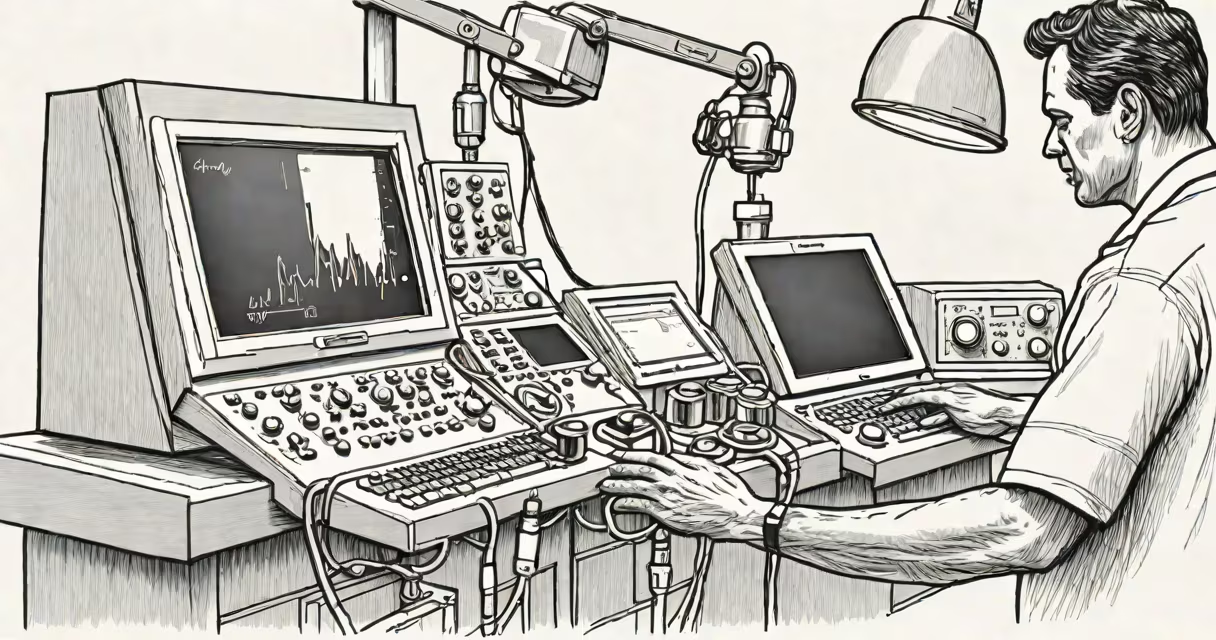
Cardiac sonography programs prepare students to operate ultrasound equipment and produce echocardiograms, which create images of the heart to diagnose cardiovascular diseases. These programs combine classroom instruction with hands-on clinical training.
Most programs last one to two years for a certificate or associate degree, though some four-year institutions offer bachelor's degrees. Coursework covers anatomy, physiology, patient care, and ultrasound physics. Clinical rotations provide real-world experience in hospitals or clinics.
| Program Type | Duration | Degree Earned |
|---|---|---|
| Certificate | 1 year | Certificate |
| Associate Degree | 2 years | Associate of Applied Science |
| Bachelor's Degree | 4 years | Bachelor of Science |
Graduates work in hospitals, private practices, and diagnostic imaging centers. The U.S. Bureau of Labor Statistics projects employment for diagnostic medical sonographers to grow 7%, faster than average. Cardiac sonographers earn a median salary of $78,210 annually.
Many confuse cardiac sonography with radiology or MRI technology. While all involve imaging, cardiac sonography focuses specifically on the heart using ultrasound waves, not radiation. Sonographers also differ from cardiologists, who interpret the images rather than creating them.
One non-obvious fact: cardiac sonographers often specialize further in areas like fetal echocardiography or stress echocardiography, requiring additional certification. For example, the American Registry for Diagnostic Medical Sonography (ARDMS) offers a specialized credential in pediatric sonography.
Consider a student enrolling in a two-year associate program at a community college. The first year covers general education and introductory courses in sonography principles. The second year dives deeper into cardiac-specific techniques, culminating in a six-month clinical internship at a local hospital. Upon graduation, the student sits for the ARDMS exam to become a Registered Diagnostic Cardiac Sonographer (RDCS).
I observed this process firsthand while visiting a local cardiac sonography program. Students spent mornings in labs practicing on simulated hearts, then afternoons in nearby hospitals assisting licensed sonographers with patient scans. The blend of technical skill and patient interaction stood out as unique compared to other medical fields.
Always verify a program's accreditation through the Commission on Accreditation of Allied Health Education Programs (CAAHEP). Graduates from accredited programs qualify to sit for the ARDMS exam, a critical step for employment. Non-accredited programs may lack the necessary clinical partnerships or curriculum standards.
Cardiac sonography programs offer a focused path into a growing healthcare field. With hands-on training and specialized certification, graduates play a important role in cardiac care teams, contributing directly to patient diagnoses and treatment plans.