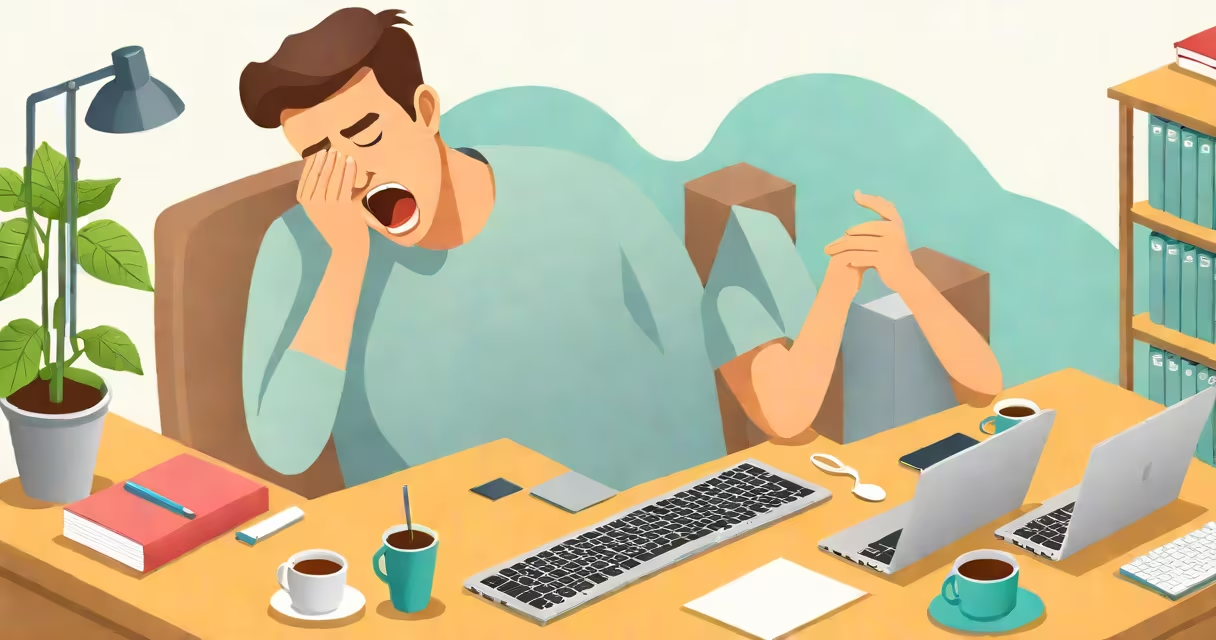
Drowsiness during the day occurs when your body feels an overwhelming need to sleep, often due to insufficient or poor-quality nighttime rest, medical conditions, or lifestyle habits. This excessive daytime sleepiness can interfere with daily activities and productivity.
Daytime drowsiness happens when your brain doesn't get enough restorative sleep, typically between seven and nine hours for adults. Your body relies on deep sleep and REM sleep cycles to recharge. Disruptions in these cycles lead to feeling tired during the day.
The primary causes of daytime drowsiness fall into three categories: sleep disorders, medical conditions, and lifestyle factors.
| Category | Examples |
|---|---|
| Sleep Disorders | Sleep apnea, insomnia, restless leg syndrome |
| Medical Conditions | Anemia, thyroid issues, diabetes, depression |
| Lifestyle Factors | Poor sleep hygiene, irregular sleep schedules, stress, diet, lack of exercise |
Many people assume that daytime drowsiness is just a normal part of being busy or stressed. However, chronic fatigue often indicates underlying health issues. For instance, sleep apnea affects about 26% of adults aged 30-70 years, according to the American Journal of Epidemiology, yet many remain undiagnosed.
Consider Sarah, a 35-year-old office worker who feels exhausted every afternoon. She stays up late scrolling on her phone, skips breakfast, and drinks multiple coffees to stay awake. Her irregular sleep schedule and poor diet contribute to her daytime drowsiness. By improving her sleep hygiene and eating balanced meals, she reduces her fatigue.
If daytime drowsiness persists despite lifestyle changes, consult a healthcare provider. Conditions like sleep apnea or anemia require medical treatment. A sleep study can diagnose sleep disorders, while blood tests can identify underlying medical issues.