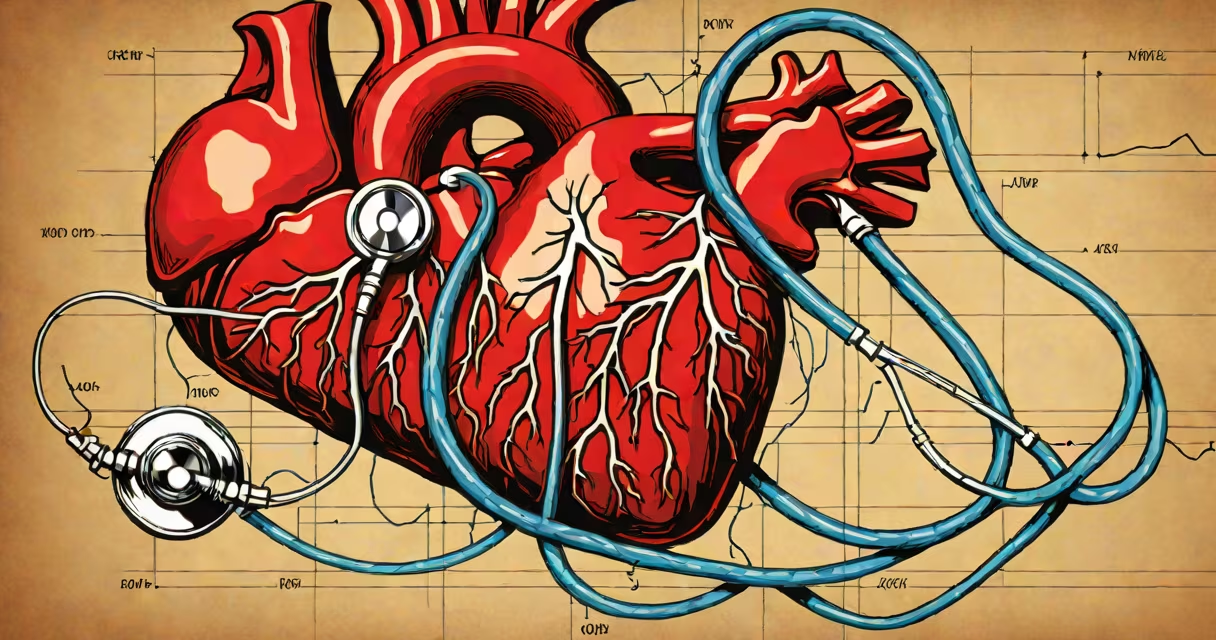
A racing heart beat, or tachycardia, occurs when your heart rate exceeds 100 beats per minute (bpm) while resting. This can result from various factors, ranging -threatening.
Your heart rate increases during physical activity, stress, or excitement as part of your body's natural response. However, a persistently rapid heartbeat may indicate an underlying issue. The heart's electrical system controls its rhythm, and disruptions can cause irregular or fast heartbeats.
The two primary types of tachycardia are:
Several factors can trigger a racing heart beat:
While occasional palpitations are usually harmless, seek medical attention if you experience:
These symptoms may indicate a serious condition requiring immediate treatment.
Many people assume a racing heart beat is always due to stress or anxiety. However, underlying medical conditions are often the culprit. For instance, hyperthyroidism can cause persistent tachycardia, even in relaxed individuals.
Another common misconception is that exercise-induced tachycardia is harmful. While intense exercise temporarily increases heart rate, it strengthens the heart over time. Persistent rapid heartbeats at rest, however, warrant medical evaluation.
Last summer, I experienced a sudden episode of palpitations after consuming excessive caffeine. My heart rate spiked to 120 bpm, causing mild dizziness. After resting and hydrating, my heart rate returned to normal within 30 minutes. This incident reinforced the importance of moderating stimulant intake.
Understanding the causes of a racing heart beat helps distinguish between harmless episodes and potential health risks. While stress, caffeine, and dehydration are common triggers, persistent or severe symptoms require medical attention. Always consult a healthcare professional for personalized advice.