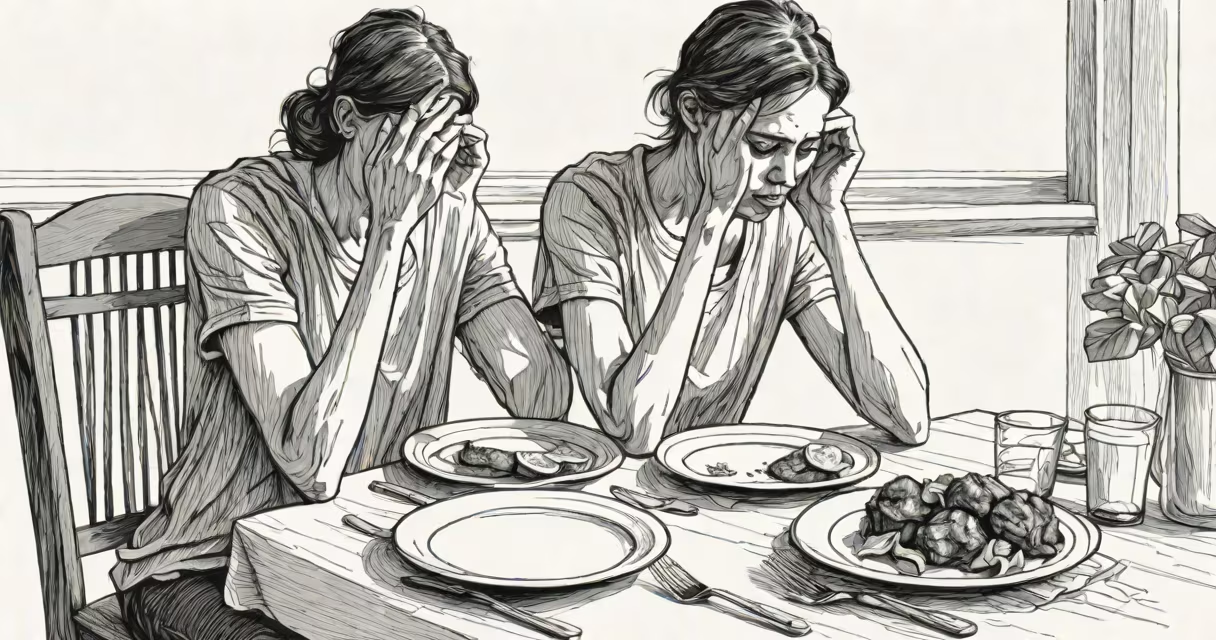
Eating disorders arise from a mix of psychological, biological, and social factors that create vulnerability. These causes often interact, making each person's experience unique.
Low self-esteem, perfectionism, and poor body image are common psychological triggers. Trauma, stress, or mental health conditions like anxiety and depression also play roles. For example, a study in the Journal of Abnormal Psychology found that negative emotions often precede binge-eating episodes.
Genetics influence susceptibility, with family history increasing risk. Neurochemical imbalances, such as serotonin dysfunction, may contribute to disordered eating behaviors. Hormonal changes, like those during puberty, can also trigger eating disorders.
Cultural pressures to achieve an ideal body type, especially in Western societies, contribute. Social media amplifies these pressures, while diet culture and weight stigma further normalize disordered eating. A 2020 study in Pediatrics linked exposure to pro-eating disorder content online with higher disorder rates among teens.
Many assume eating disorders stem solely from vanity or attention-seeking. In reality, they are serious mental health conditions with complex roots. Another myth is that only women develop them, but men account for about 25% of cases, according to the National Eating Disorders Association.
These factors rarely act alone. For instance, a person with a genetic predisposition might develop low self-esteem due to bullying, then restrict food intake as coping mechanism. Treatment often requires addressing multiple causes simultaneously.