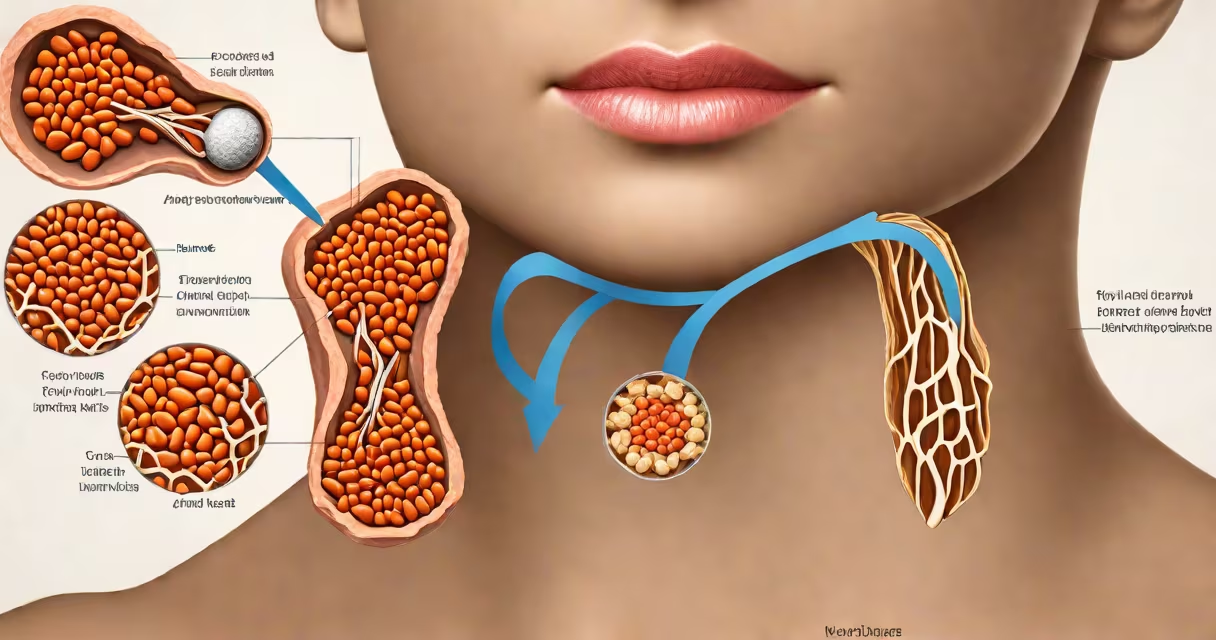
Hypothyroidism occurs when the thyroid gland produces insufficient hormones, slowing metabolism. Causes range from autoimmune diseases to iodine deficiency. The most common cause is Hashimoto's disease, an autoimmune disorder where the immune system attacks the thyroid gland.
The thyroid gland, located in the neck, produces hormones that regulate metabolism. When the thyroid doesn't produce enough hormones, the body processes slow down. This can affect everything from heart rate to digestion. Symptoms include fatigue, weight gain, and depression.
Hypothyroidism is classified into primary, secondary, and tertiary types:
| Type | Cause | Prevalence |
|---|---|---|
| Primary | Thyroid gland damage (e.g., Hashimoto's disease) | 90% of cases |
| Secondary | Pituitary gland issues | 5% of cases |
| Tertiary | Hypothalamus problems | Rare |
Autoimmune diseases like Hashimoto's account for about 90% of cases. Other causes include:
Many believe hypothyroidism is always genetic. While genetics play a role in autoimmune causes, environmental factors like radiation exposure and nutrient deficiencies also contribute.
Treatment typically involves synthetic thyroid hormone replacement, such as levothyroxine. Dosage is tailored to individual needs, often requiring regular blood tests to monitor levels. For instance, a patient with Hashimoto's might start with a low dose and gradually increase it based on TSH levels.
Understanding the specific cause of hypothyroidism is important for effective treatment. For example, a patient with iodine deficiency might benefit from dietary changes or supplements, while someone with Hashimoto's requires careful monitoring of autoimmune activity. Proper diagnosis and treatment can improve quality of life.