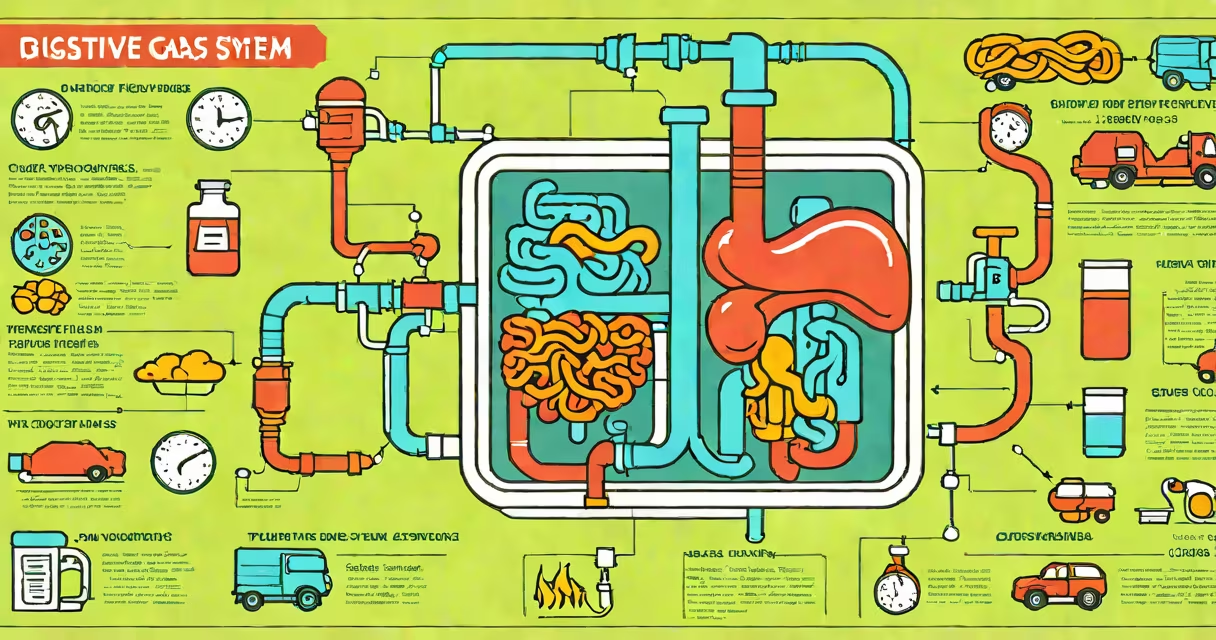
Gas after eating occurs when your digestive system breaks down food, producing gas as a byproduct. This is normal, but excessive gas can indicate dietary or digestive issues.
How Digestion Produces Gas
Your gut contains bacteria that help break down food. As they digest carbohydrates and fiber, they release gases like hydrogen, methane, and carbon dioxide. Swallowing air while eating or drinking also contributes to gas.
Main Causes of Excessive Gas
Several factors can lead to excessive gas after eating:
Food intolerances: Lactose intolerance, fructose malabsorption, and gluten sensitivity often cause gas.
High-fiber foods: Beans, lentils, and vegetables like broccoli and cabbage produce more gas during digestion.
Artificial sweeteners: Sorbitol, xylitol, and mannitol in sugar-free products can ferment in the gut, increasing gas.
Swallowed air: Eating too quickly, chewing gum, or drinking through straws introduces extra air into the digestive tract.
Common Misconceptions
Worked Example: Managing Gas from Beans
Beans are notorious for causing gas due to their high fiber and oligosaccharide content. To reduce gas:
Soak beans overnight and discard the water before cooking.
Use enzyme products like Beano, which break down gas-producing sugars.
Gradually increase bean intake to allow your gut bacteria to adapt.
When to Seek Help
If gas is frequent, painful, or accompanied by diarrhea, constipation, or unexplained weight loss, consult a doctor. These symptoms may indicate conditions like irritable bowel syndrome (IBS) or small intestinal bacterial overgrowth (SIBO).