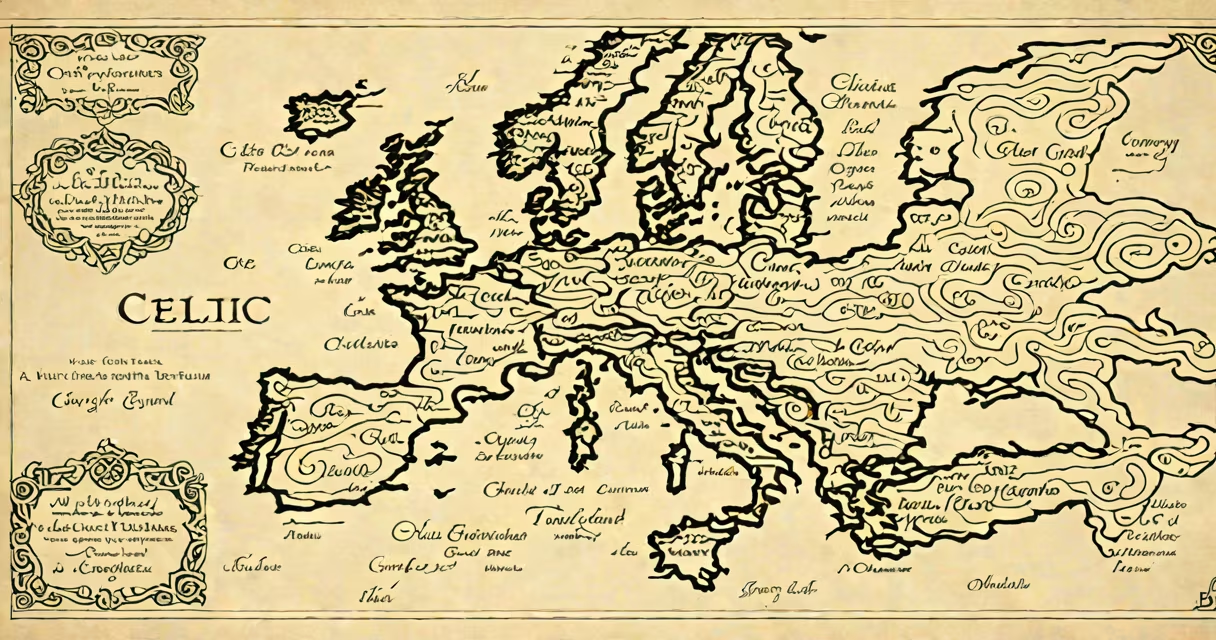
Google Translate supports six Celtic languages, but its accuracy ranges depending on the dialect. The service covers Irish, Scottish Gaelic, Manx, Welsh, Breton, and Cornish.
Google Translate processes Celtic languages using statistical machine translation, which relies on existing translations to generate new ones. For widely spoken languages like Irish and Welsh, this produces decent results. For endangered languages like Manx and Cornish, the output is often inaccurate due to limited training data.
| Language | Speakers | Google Translate Accuracy |
|---|---|---|
| Irish | 1.7 million | Moderate to high |
| Scottish Gaelic | 60,000 | Moderate |
| Manx | 1,800 | Low |
| Welsh | 1 million | High |
| Breton | 200,000 | Moderate |
| Cornish | 500 | Very low |
Many users assume Google Translate works equally well for all supported languages. However, the quality varies. For example, while Welsh translations are generally reliable, Cornish translations often require human review., some users expect Google Translate to handle regional dialects, but it typically defaults to standard forms.
To translate the Welsh phrase "Sut dwyt ti?" (How are you?), Google Translate returns "How are you?" in English. This is accurate because Welsh is one of the better-supported Celtic languages. However, translating the Manx phrase "Kys t'ou?" yields "How are you?" as well, but the context may be lost due to limited data.
For critical translations, especially in less common Celtic languages, specialized tools or human translators are preferable. Google Translate serves as a useful starting point but should not replace professional services for important documents or communications. More on this.