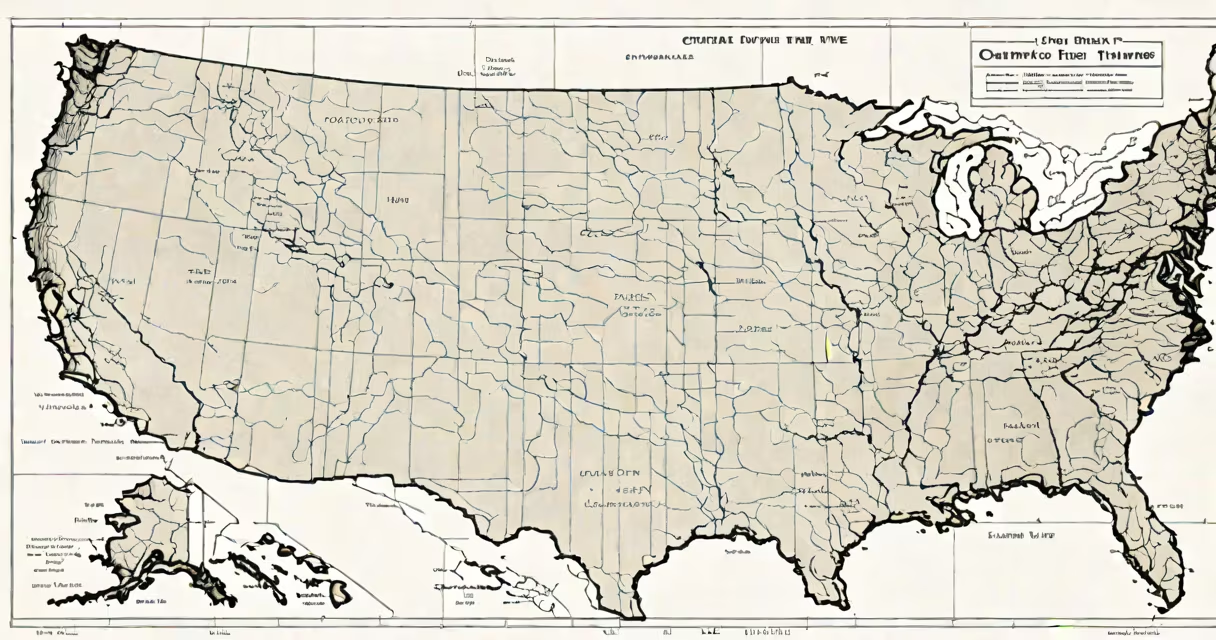
Central Time (CT) and Eastern Standard Time (EST) are two of the four primary time zones in the contiguous United States. CT is one hour behind EST, with Central Time being UTC-6 and Eastern Time being UTC-5.
When it's noon in New York (EST), it's 11 a.m. in Chicago (CT). This difference affects scheduling for everything from business meetings to TV broadcasts. Daylight Saving Time shifts both zones forward by one hour, temporarily making CT UTC-5 and EST UTC-4.
The United States uses four primary time zones:
| Time Zone | Abbreviation | UTC Offset (Standard Time) | UTC Offset (Daylight Time) |
|---|---|---|---|
| Eastern Time | ET | UTC-5 | UTC-4 |
| Central Time | CT | UTC-6 | UTC-5 |
| Mountain Time | MT | UTC-7 | UTC-6 |
| Pacific Time | PT | UTC-8 | UTC-7 |
Eastern Time covers the eastern U.S., including major cities like New York, Boston, and Atlanta. Central Time spans the central U.S., including Chicago, Dallas, and New Orleans. The time difference exists because the Earth is spherical, and sunlight hits different longitudes at different times.
Many people confuse Eastern Time with Eastern Standard Time (EST). EST is the standard time observed during winter months, while Eastern Daylight Time (EDT) is observed during summer. The same applies to Central Time: Central Standard Time (CST) is used in winter, and Central Daylight Time (CDT) in summer.
Another common mistake is assuming all of Florida observes Eastern Time. While most of the state does, the panhandle region west of the Apalachicola River actually follows Central Time.
If you're scheduling a conference call with participants in both New York (EST) and Chicago (CT), you'd need to account for the one-hour difference. At 2 p.m. EST, it's only 1 p.m. CT. During Daylight Saving Time, this difference remains consistent: 2 p.m. EDT is still 1 p.m. CDT.
I once coordinated a webinar with attendees across both time zones. By stating the time in both CT and EST, we ensured everyone joined on time without confusion.