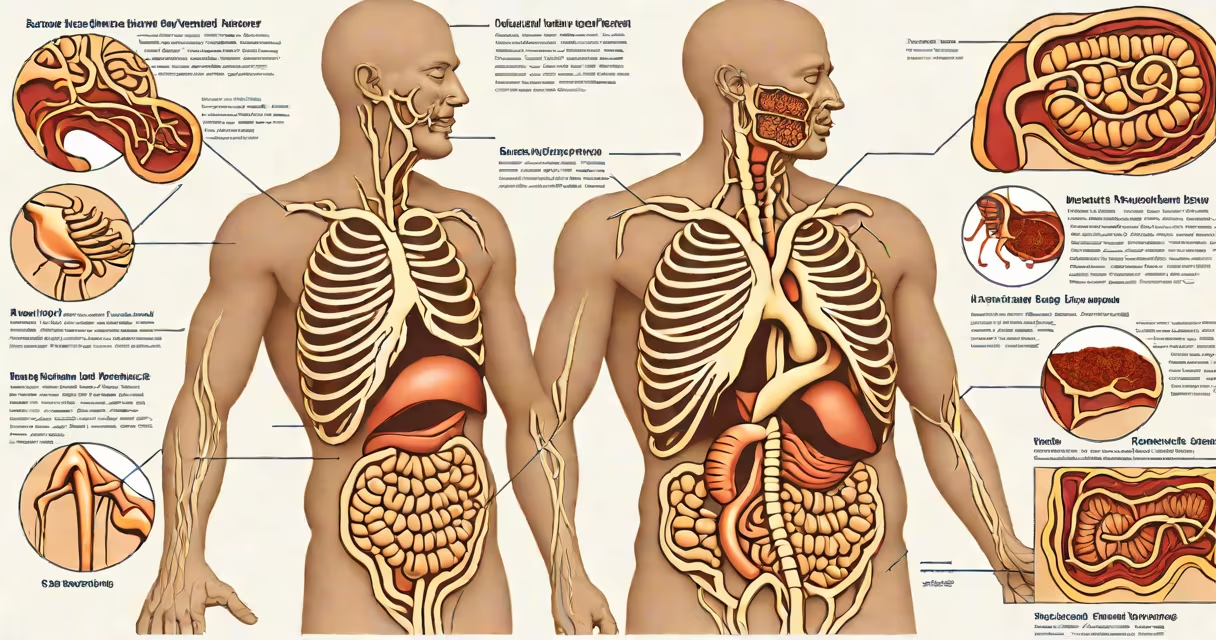
Chest pain that resolves after burping typically indicates digestive discomfort rather than a cardiac issue. This sensation often stems from gas trapped in the chest or stomach, creating pressure against the diaphragm.
The diaphragm separates your chest cavity from your abdominal organs. When gas builds up in your stomach or lower esophagus, it presses upward against this muscle, causing sharp or dull pain. Burping releases this gas, relieving the pressure and eliminating the pain.
This type of chest pain usually results from:
While burping often relieves this pain, seek immediate medical attention if you experience:
These symptoms may indicate a heart attack or other serious condition requiring emergency treatment.
Many people assume chest pain always signals heart problems. However, the American Heart Association notes that digestive issues account for about 15% of chest pain cases. Unlike cardiac pain, digestive-related discomfort often changes with body position or after eating.
Another myth is that burping always provides relief. While it often helps, persistent pain after burping warrants medical evaluation to rule out conditions like gastroesophageal reflux disease (GERD) or peptic ulcers.
After eating a large meal, Maria develops sudden chest pain. She sits upright and burps several times, noticing immediate relief. Recognizing this as digestive discomfort, she slows her eating pace and avoids carbonated drinks. When symptoms persist occasionally, she consults her doctor, who diagnoses mild GERD and recommends dietary changes.
To reduce episodes of chest pain from burping:
For recurring symptoms, abdominal pain and burping after eating may indicate GERD or other digestive disorders requiring professional treatment.