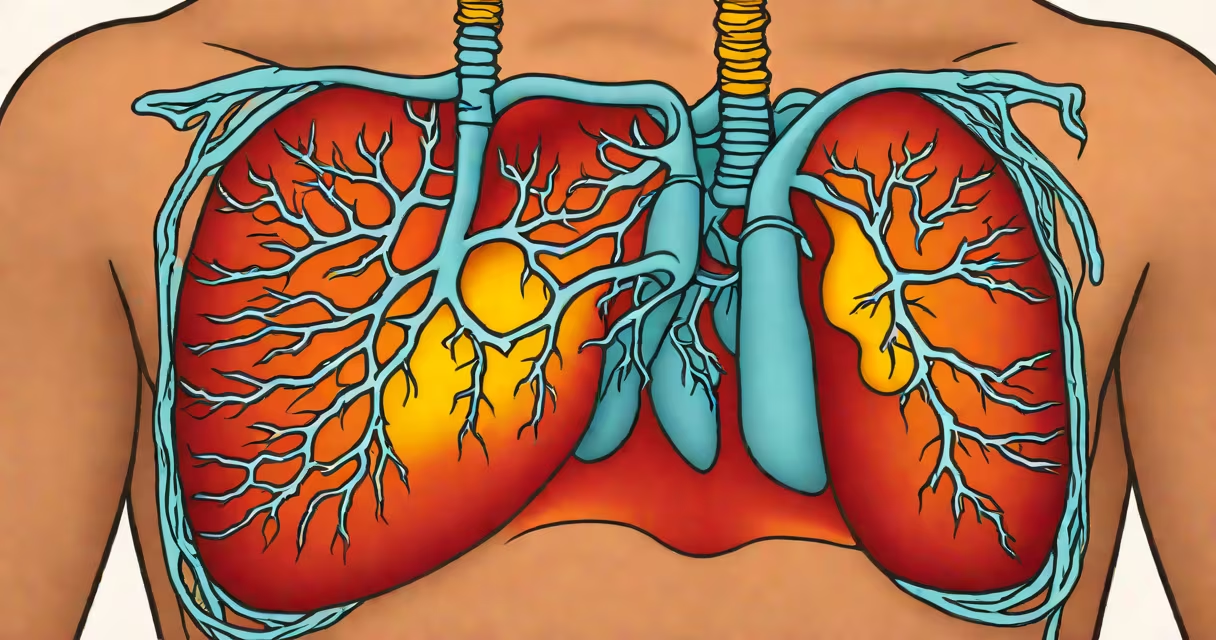
When your chest hurts during deep exhalation, it usually signals muscle strain, inflammation, or a problem with structures like ribs, lungs, or the heart. This discomfort often worsens with movement or pressure.
Deep exhalation engages multiple systems: your diaphragm contracts upward, abdominal muscles tense, and air is forced out. Pain during this process suggests irritation in those areas or nearby tissues. The sensation may feel sharp, dull, or burning depending on the cause.
The most common causes fall into five categories:
Seek emergency care if pain appears suddenly with shortness of breath, dizziness, or radiating to left arm/jaw. These may indicate heart attack or pulmonary embolism. Persistent pain lasting days without clear cause also warrants medical evaluation.
I once experienced this after intense yard work. The sharp pain worsened with deep breaths, and moving my torso reproduced it. A doctor diagnosed costochondritis, which resolved with rest and anti-inflammatory medication.
Many assume chest pain always signals heart trouble. However, only 15% of emergency room visits for chest pain result in cardiac diagnoses (American Heart Association, 2023). Non-cardiac causes like muscle strains are far more common.