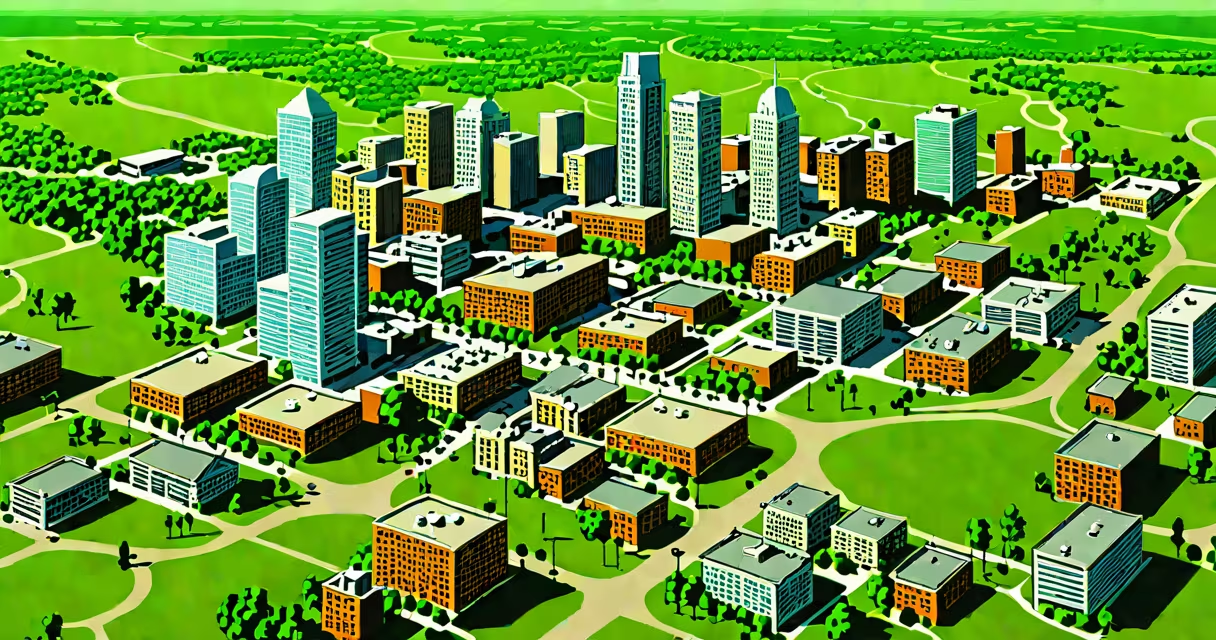
The city of West Des Moines is a major suburb of Des Moines, Iowa, known for its excellent schools, thriving business community, and historic downtown area called Valley Junction. With a population of around 68,000, it's one of the largest cities in the Des Moines metro area.
West Des Moines sits directly west of Des Moines, bordered by Clive to the north, Waukee to the west, and Windsor Heights to the south. The city covers about 28 square miles and includes several major highways like Interstate 35/80 and Interstate 235.
Originally settled in the 1800s, West Des Moines incorporated as a city in 1938. Its downtown area, Valley Junction, dates back to 1898 and features historic brick buildings that now house shops, restaurants, and offices. The city has grown since the 1980s, becoming one of Iowa's most populous suburbs.
The West Des Moines Community Schools district serves the city and is consistently ranked among the top in Iowa. It includes 12 elementary schools, 4 middle schools, and 2 high schools. The district is known for its strong academics and extracurricular programs.
West Des Moines is home to many corporate headquarters and businesses. Major employers include Wells Fargo, Principal Financial Group, and Wellmark Blue Cross Blue Shield. The city's downtown area hosts numerous small businesses, particularly in Valley Junction, which is a popular destination for shopping and dining.
West Des Moines is well-connected with major transportation routes. The city has its own transit system, WDM Transit, which provides local bus service. The Des Moines International Airport is located nearby, offering domestic and international flights.
As of the 2020 census, West Des Moines had a population of 68,138. The city has a diverse population, with a mix of families, young professionals, and retirees. The median household income is higher than the national average, reflecting its status as an affluent suburb.
West Des Moines continues to grow, with new residential and commercial developments underway. The city is focused on maintaining its high quality of life while accommodating its expanding population. Plans include improvements to infrastructure, parks, and public services.