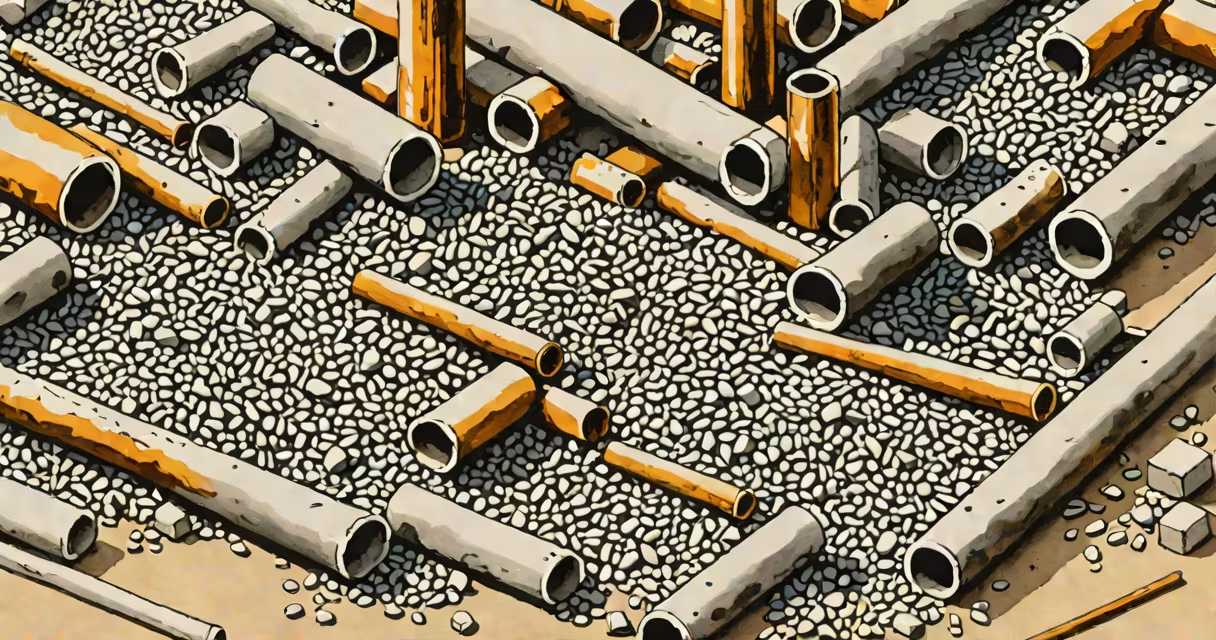
Civil eng materials are substances used in construction and infrastructure projects, such as concrete, steel, and aggregates. These materials form the foundation of buildings, roads, bridges, and other structures.
These materials provide structural integrity, durability, and resistance to environmental factors. For example, concrete hardens to form a solid structure, while steel reinforces it to withstand heavy loads. Aggregates, like gravel and sand, fill gaps and reduce costs.
The most common civil eng materials include:
Civil eng materials are used in various applications:
| Material | Common Use | Example Project |
|---|---|---|
| Concrete | Foundations, walls, and floors | Skyscrapers like the Burj Khalifa |
| Steel | Beams, columns, and bridges | Golden Gate Bridge |
| Aggregates | Road bases and concrete mixtures | Highways and interstates |
| Asphalt | Road surfaces and parking lots | Interstate highways |
| Timber | Residential framing and decking | Single-family homes |
Many people confuse asphalt with concrete, but they are distinct. Asphalt is a flexible, bitumen-based material primarily used for road surfaces, while concrete is a rigid, cement-based material used for structural elements. Another misconception is that all aggregates are the same; however, different sizes and types of aggregates serve specific purposes in construction.
For instance, fine aggregates like sand are used in mortar, while coarse aggregates like gravel are used in concrete mixtures. Understanding these differences is important for selecting the right materials for a project.
During my time working on residential construction projects, I noticed that the quality of aggregates impacted the final product. Using poorly graded aggregates led to weak concrete mixtures, while well-graded aggregates resulted in stronger, more durable structures. This experience highlighted the importance of selecting the right materials for the job.